Buy cigs.eu ?
We are moving the project
cigs.eu .
Are you interested in purchasing the domain
cigs.eu ?
domain@kv-gmbh.de · 0541-91531010
Buy cigs.eu ?
Can you make a presentation about "Thinking, Fast and Slow" by Daniel Kahneman?
"Thinking, Fast and Slow" by Daniel Kahneman is a groundbreaking book that explores the two systems that drive the way we think: the fast, intuitive, and emotional system, and the slow, deliberate, and logical system. The book delves into the cognitive biases and errors that affect our decision-making processes, and offers insights into how we can make better choices by understanding these systems. It also discusses the impact of these systems on various aspects of our lives, such as economics, psychology, and behavioral economics. Overall, "Thinking, Fast and Slow" provides a fascinating and thought-provoking look into the complexities of human thought and decision-making. **
Is it difficult to read "Thinking, Fast and Slow" by Daniel Kahneman in English?
The difficulty of reading "Thinking, Fast and Slow" by Daniel Kahneman in English may vary depending on the reader's proficiency in the language. The book delves into complex psychological concepts and research findings, which may require a higher level of English comprehension. However, Kahneman's writing style is clear and accessible, making it easier for readers to grasp the concepts presented. Overall, while some readers may find certain sections challenging, others may find it relatively easy to follow. **
Similar search terms for Kahneman
Top-Angebote
Products related to Kahneman:
-
Penguin/HarperCollins Noise & Thinking Fast and Slow By Daniel Kahneman 2 Books Collection SetNoise & Thinking Fast and Slow By Daniel Kahneman 2 Books Collection Set: Noise: In Noise, Daniel Kahneman, Olivier Sibony and Cass R. Sunstein show how noise produces errors in many fields, including in medicine, law, public health, economic forecasting, forensic science, child protection, creative strategy, performance review and hiring. And although noise can be found wherever people are making judgements and decisions, individuals and organizations alike commonly ignore its impact, at great cost.Packed with new ideas, and drawing on the same kind of sharp analysis and breadth of case study that made Thinking, Fast and Slow and Nudge international bestsellers, Noise explains how and why humans are so susceptible to noise and bias in decision-making. Thinking Fast and Slow: Why is there more chance we'll believe something if it's in a bold type face? Why are judges more likely to deny parole before lunch? Why do we assume a good-looking person will be more competent? The answer lies in the two ways we make choices: fast, intuitive thinking, and slow, rational thinking. This book reveals how our minds are tripped up by error and prejudice (even when we think we are being logical), and gives you practical techniques for slower, smarter thinking. It will enable to you make better decisions at work, at home, and in everything you do.10,89 £*Shipping: 2,99 £Secure redirect to the provider
-
PENGUIN/RIVERHEAD BOOKS Messy (Hardback) By Tim Harford & Thinking Fast and Slow By Daniel Kahneman 2 Books Collection SetMessy (Hardback) By Tim Harford & Thinking Fast and Slow By Daniel Kahneman 2 Books Collection Set: Messy (Hardback) The urge to tidiness seems to be rooted deep in the human psyche. Many of us feel threatened by anything that is vague, unplanned, scattered around or hard to describe. We find comfort in having a script to rely on, a system to follow, in being able to categorise and file away.We all benefit from tidy organisation - up to a point. A large library needs a reference system. Global trade needs the shipping container. Scientific collaboration needs measurement units. But the forces of tidiness have marched too far. Thinking Fast and Slow Why is there more chance we'll believe something if it's in a bold type face? Why are judges more likely to deny parole before lunch? Why do we assume a good-looking person will be more competent? The answer lies in the two ways we make choices: fast, intuitive thinking, and slow, rational thinking. This book reveals how our minds are tripped up by error and prejudice (even when we think we are being logical), and gives you practical techniques for slower, smarter thinking. It will enable to you make better decisions at work, at home, and in everything you do.9,89 £*Shipping: 2,99 £Secure redirect to the provider
-
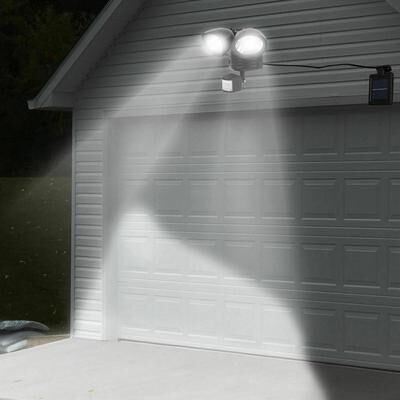
All Categories Goods LED Solar Security Light Dual Motion Sensor Outdoor Floodlight With LED Technology For Energy Efficient Illumination LED Solar Security Light Dual Motion Sensor Outdoor Floodlight With LED Technology For Energy Efficient IlluminationBrighten your outdoor space with the 1 pcs of 22 LED Solar Security Light, designed for maximum visibility and security. Powered by ecofriendly solar energy, this motion sensor floodlight activates when movement is detected, offering both...63,97 $*Shipping: 0,00 $Secure redirect to the provider
-
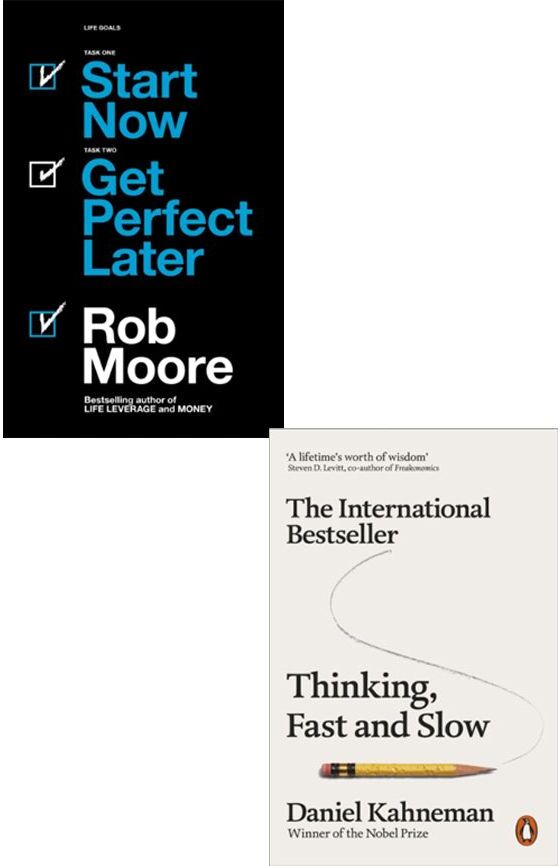
Penguin/John Murray Press Thinking, Fast and Slow By Daniel Kahneman & Start Now. Get Perfect Later by Rob Moore 2 Books Collection SetThinking, Fast and Slow By Daniel Kahneman & Start Now. Get Perfect Later by Rob Moore 2 Books Collection Set:Thinking Fast and Slow:Why is there more chance we'll believe something if it's in a bold type face? Why are judges more likely to deny parole before lunch? Why do we assume a good-looking person will be more competent? The answer lies in the two ways we make choices: fast, intuitive thinking, and slow, rational thinking. This book reveals how our minds are tripped up by error and prejudice (even when we think we are being logical), and gives you practical techniques for slower, smarter thinking. It will enable to you make better decisions at work, at home, and in everything you do.Start Now Get Perfect Later:Hardly anyone gets it right the first time, but many of us are crippled by indecision and fear of failure. The desire to get it right can inhibit us from getting started. In this book Rob Moore, the bestselling author of MONEY, shows that the quickest way to perfect is starting right now and improving as you go. This book will show you how to launch your business or idea, begin the next phase of your career, and overcome self-doubt - right away. Get perfect later, get started NOW.11,99 £*Shipping: 2,99 £Secure redirect to the provider

-
What is solar energy and how is it used in solar technology?
Solar energy is the radiant light and heat from the sun that is harnessed using a range of technologies, such as solar panels, to generate electricity or heat water. Solar technology uses photovoltaic cells to convert sunlight into electricity, which can be used to power homes, businesses, and even entire cities. Additionally, solar thermal technology uses the sun's heat to generate steam, which can then be used to drive turbines and produce electricity. Overall, solar energy is a clean and renewable source of power that is increasingly being used to reduce reliance on fossil fuels and combat climate change. **
-
What should I consider when it comes to Solar Energy? Solar panels, batteries, and inverters.
When considering solar energy, it is important to assess your energy needs and consumption to determine the size and number of solar panels required. Additionally, you should consider the type and capacity of batteries needed to store excess energy generated by the solar panels for use during periods of low sunlight. Lastly, choosing the right inverter is crucial as it converts the direct current (DC) electricity produced by the solar panels into alternating current (AC) electricity that can be used to power your home. It is essential to ensure that all components are compatible and properly sized for optimal performance and efficiency. **
-
What are solar panels?
Solar panels are devices that convert sunlight into electricity. They are made up of photovoltaic cells that capture the sun's energy and convert it into usable electricity. Solar panels are typically installed on rooftops or in open areas where they can receive maximum sunlight exposure. They are a sustainable and renewable energy source that helps reduce reliance on fossil fuels and decrease carbon emissions. **
-
How do solar panels work?
Solar panels work by converting sunlight into electricity through the photovoltaic effect. The panels are made up of multiple solar cells, which are made of semiconductor materials like silicon. When sunlight hits the solar cells, it excites the electrons in the material, creating an electric current. This direct current (DC) is then converted into alternating current (AC) by an inverter, which can be used to power homes, businesses, and other electrical devices. **

How are solar panels connected?
Solar panels are connected in series or parallel to form a solar array. In a series connection, the positive terminal of one panel is connected to the negative terminal of the next panel, increasing the voltage output. In a parallel connection, the positive terminals are connected together and the negative terminals are connected together, increasing the current output. These connections allow the individual panels to work together to generate the desired amount of electricity. **
How do I connect solar panels?
To connect solar panels, you will first need to mount them in a suitable location with proper sunlight exposure. Next, you will need to connect the panels in series or parallel depending on your system's voltage and current requirements. Finally, you will need to connect the panels to a charge controller to regulate the power output and then to a battery bank or inverter to store or convert the electricity generated. It is important to follow the manufacturer's instructions and safety guidelines when connecting solar panels to ensure optimal performance and safety. **
Top-Angebote
Products related to Kahneman:
-
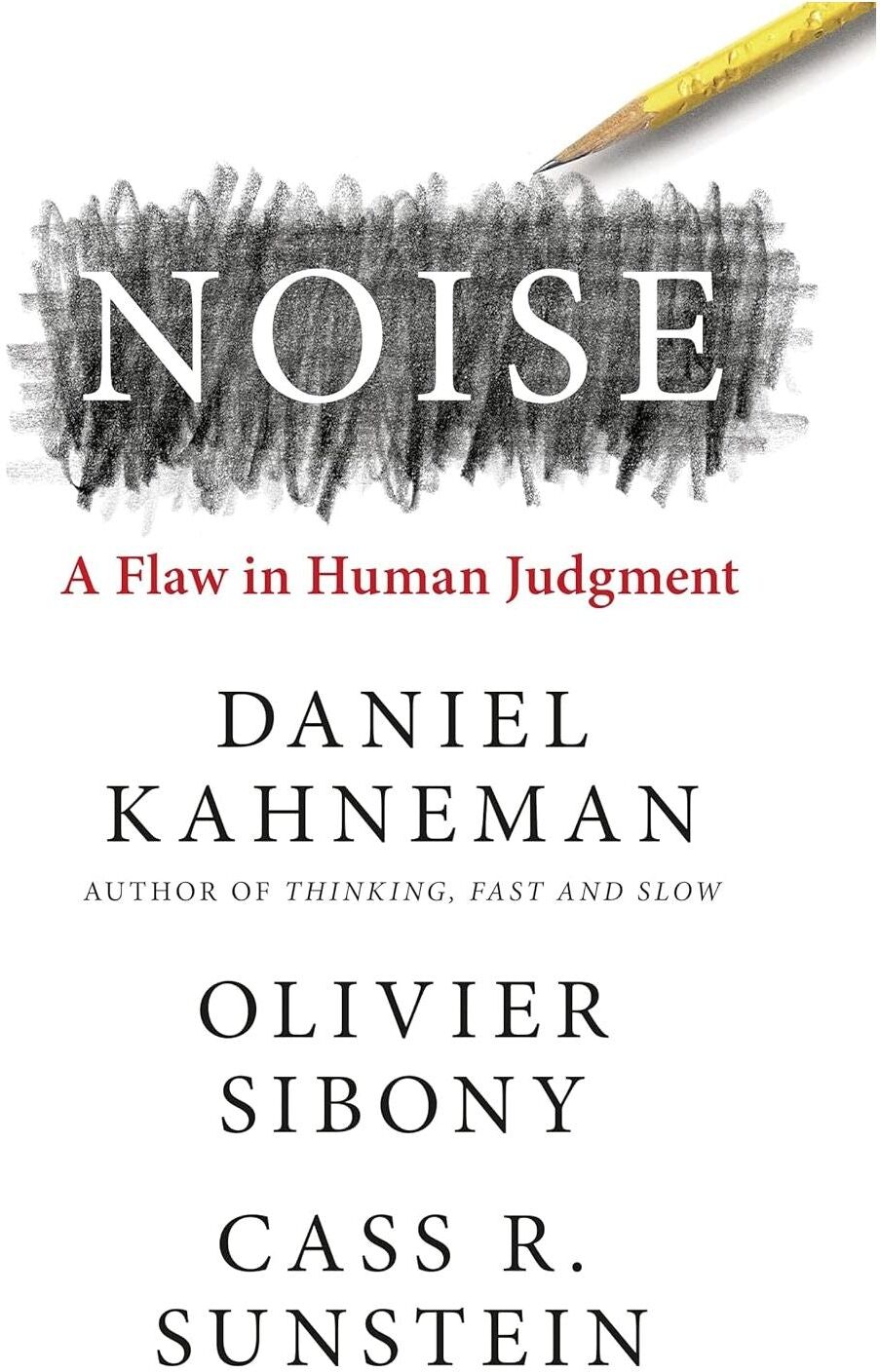
HARPERCOLLINS Noise by Daniel Kahneman (Paperback)From the world-leaders in strategic thinking and the multi-million copy bestselling authors of Thinking Fast and Slow and Nudge, the next big book to change the way you think. Imagine that two doctors in the same city give different diagnoses to identical patients – or that two judges in the same court give different sentences to people who have committed matching crimes. Now imagine that the same doctor and the same judge make different decisions depending on whether it is morning or afternoon, or Monday rather than Wednesday, or they haven’t yet had lunch. These are examples of noise: variability in judgements that should be identical. In Noise, Daniel Kahneman, Olivier Sibony and Cass R. Sunstein show how noise produces errors in many fields, including in medicine, law, public health, economic forecasting, forensic science, child protection, creative strategy, performance review and hiring. And although noise can be found wherever people are making judgements and decisions, individuals and organizations alike commonly ignore its impact, at great cost. Packed with new ideas, and drawing on the same kind of sharp analysis and breadth of case study that made Thinking, Fast and Slow and Nudge international bestsellers, Noise explains how and why humans are so susceptible to noise and bias in decision-making. We all make bad judgements more than we think. With a few simple remedies, this groundbreaking book explores what we can do to make better ones.7,99 £*Shipping: 2,99 £Secure redirect to the provider
-
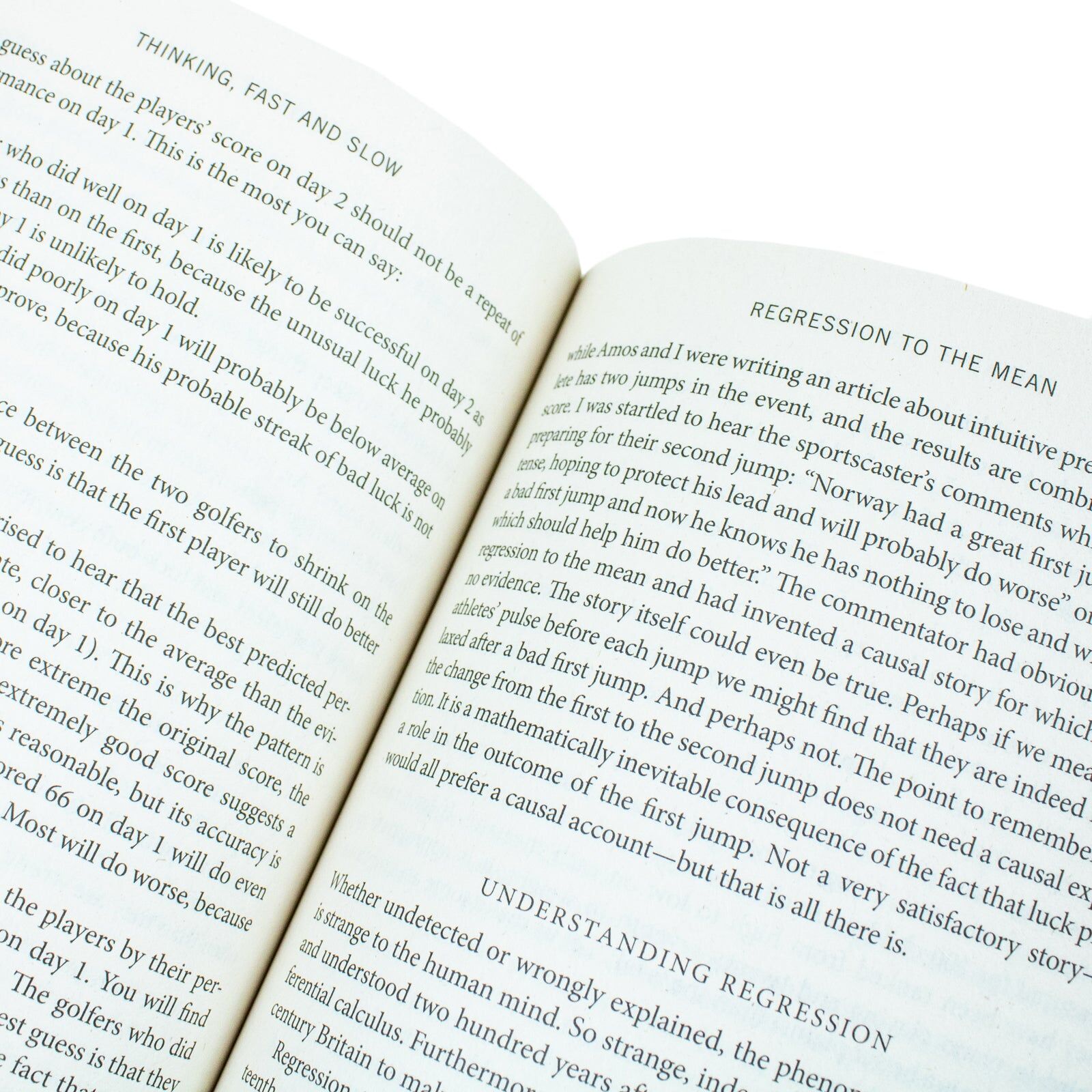
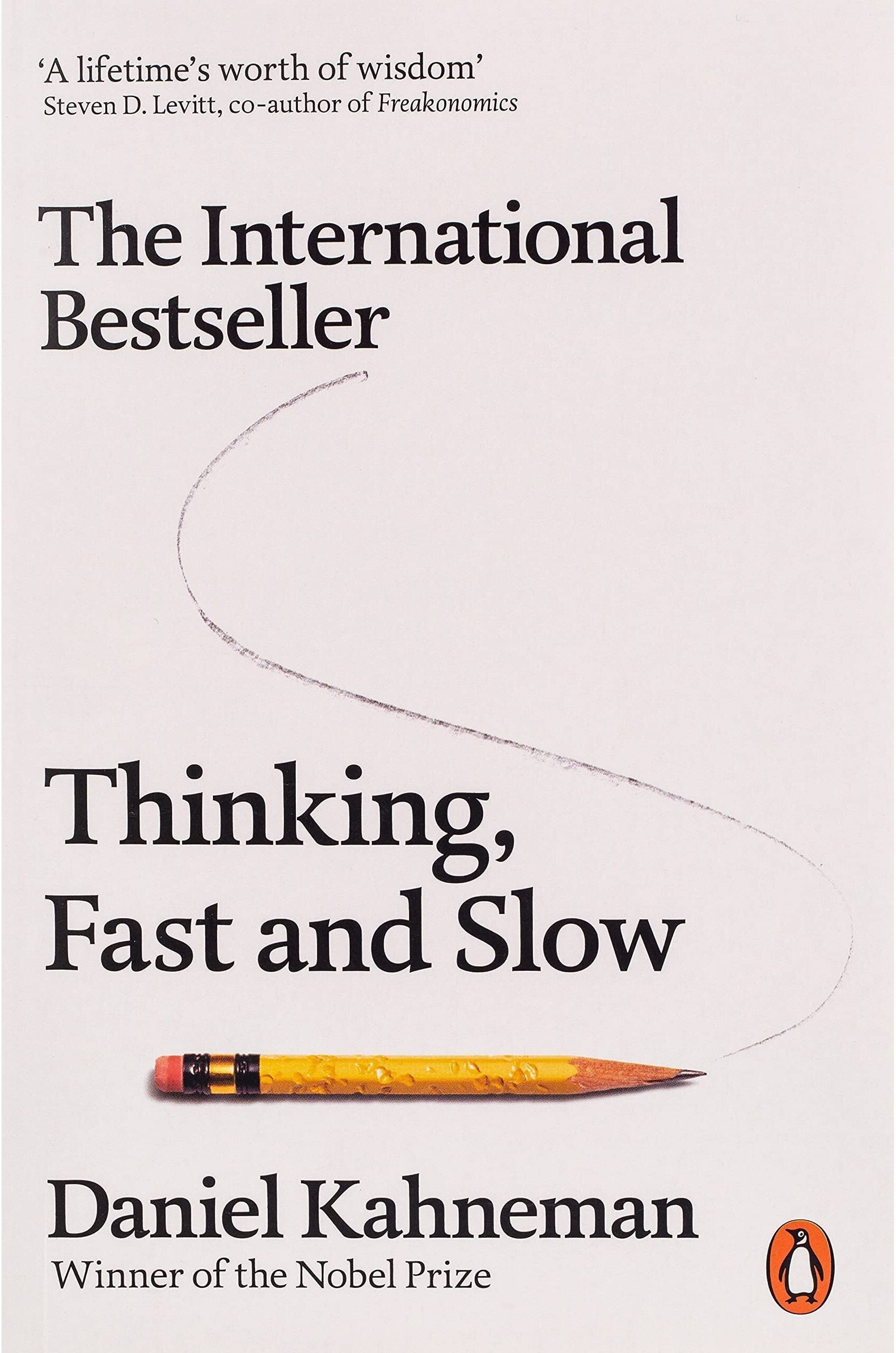
Penguin Thinking, Fast and Slow by Daniel KahnemanWhy is there more chance we'll believe something if it's in a bold type face? Why are judges more likely to deny parole before lunch? Why do we assume a good-looking person will be more competent? The answer lies in the two ways we make choices: fast, intuitive thinking, and slow, rational thinking. This book reveals how our minds are tripped up by error and prejudice (even when we think we are being logical), and gives you practical techniques for slower, smarter thinking. It will enable to you make better decisions at work, at home, and in everything you do.7,99 £*Shipping: 2,99 £Secure redirect to the provider
-
Penguin/HarperCollins Noise & Thinking Fast and Slow By Daniel Kahneman 2 Books Collection SetNoise & Thinking Fast and Slow By Daniel Kahneman 2 Books Collection Set: Noise: In Noise, Daniel Kahneman, Olivier Sibony and Cass R. Sunstein show how noise produces errors in many fields, including in medicine, law, public health, economic forecasting, forensic science, child protection, creative strategy, performance review and hiring. And although noise can be found wherever people are making judgements and decisions, individuals and organizations alike commonly ignore its impact, at great cost.Packed with new ideas, and drawing on the same kind of sharp analysis and breadth of case study that made Thinking, Fast and Slow and Nudge international bestsellers, Noise explains how and why humans are so susceptible to noise and bias in decision-making. Thinking Fast and Slow: Why is there more chance we'll believe something if it's in a bold type face? Why are judges more likely to deny parole before lunch? Why do we assume a good-looking person will be more competent? The answer lies in the two ways we make choices: fast, intuitive thinking, and slow, rational thinking. This book reveals how our minds are tripped up by error and prejudice (even when we think we are being logical), and gives you practical techniques for slower, smarter thinking. It will enable to you make better decisions at work, at home, and in everything you do.10,89 £*Shipping: 2,99 £Secure redirect to the provider
-
PENGUIN/RIVERHEAD BOOKS Messy (Hardback) By Tim Harford & Thinking Fast and Slow By Daniel Kahneman 2 Books Collection SetMessy (Hardback) By Tim Harford & Thinking Fast and Slow By Daniel Kahneman 2 Books Collection Set: Messy (Hardback) The urge to tidiness seems to be rooted deep in the human psyche. Many of us feel threatened by anything that is vague, unplanned, scattered around or hard to describe. We find comfort in having a script to rely on, a system to follow, in being able to categorise and file away.We all benefit from tidy organisation - up to a point. A large library needs a reference system. Global trade needs the shipping container. Scientific collaboration needs measurement units. But the forces of tidiness have marched too far. Thinking Fast and Slow Why is there more chance we'll believe something if it's in a bold type face? Why are judges more likely to deny parole before lunch? Why do we assume a good-looking person will be more competent? The answer lies in the two ways we make choices: fast, intuitive thinking, and slow, rational thinking. This book reveals how our minds are tripped up by error and prejudice (even when we think we are being logical), and gives you practical techniques for slower, smarter thinking. It will enable to you make better decisions at work, at home, and in everything you do.9,89 £*Shipping: 2,99 £Secure redirect to the provider
-
Can you make a presentation about "Thinking, Fast and Slow" by Daniel Kahneman?
"Thinking, Fast and Slow" by Daniel Kahneman is a groundbreaking book that explores the two systems that drive the way we think: the fast, intuitive, and emotional system, and the slow, deliberate, and logical system. The book delves into the cognitive biases and errors that affect our decision-making processes, and offers insights into how we can make better choices by understanding these systems. It also discusses the impact of these systems on various aspects of our lives, such as economics, psychology, and behavioral economics. Overall, "Thinking, Fast and Slow" provides a fascinating and thought-provoking look into the complexities of human thought and decision-making. **
-
Is it difficult to read "Thinking, Fast and Slow" by Daniel Kahneman in English?
The difficulty of reading "Thinking, Fast and Slow" by Daniel Kahneman in English may vary depending on the reader's proficiency in the language. The book delves into complex psychological concepts and research findings, which may require a higher level of English comprehension. However, Kahneman's writing style is clear and accessible, making it easier for readers to grasp the concepts presented. Overall, while some readers may find certain sections challenging, others may find it relatively easy to follow. **
-
What is solar energy and how is it used in solar technology?
Solar energy is the radiant light and heat from the sun that is harnessed using a range of technologies, such as solar panels, to generate electricity or heat water. Solar technology uses photovoltaic cells to convert sunlight into electricity, which can be used to power homes, businesses, and even entire cities. Additionally, solar thermal technology uses the sun's heat to generate steam, which can then be used to drive turbines and produce electricity. Overall, solar energy is a clean and renewable source of power that is increasingly being used to reduce reliance on fossil fuels and combat climate change. **
-
What should I consider when it comes to Solar Energy? Solar panels, batteries, and inverters.
When considering solar energy, it is important to assess your energy needs and consumption to determine the size and number of solar panels required. Additionally, you should consider the type and capacity of batteries needed to store excess energy generated by the solar panels for use during periods of low sunlight. Lastly, choosing the right inverter is crucial as it converts the direct current (DC) electricity produced by the solar panels into alternating current (AC) electricity that can be used to power your home. It is essential to ensure that all components are compatible and properly sized for optimal performance and efficiency. **
Similar search terms for Kahneman
-
All Categories Goods LED Solar Security Light Dual Motion Sensor Outdoor Floodlight With LED Technology For Energy Efficient Illumination LED Solar Security Light Dual Motion Sensor Outdoor Floodlight With LED Technology For Energy Efficient IlluminationBrighten your outdoor space with the 1 pcs of 22 LED Solar Security Light, designed for maximum visibility and security. Powered by ecofriendly solar energy, this motion sensor floodlight activates when movement is detected, offering both...63,97 $*Shipping: 0,00 $Secure redirect to the provider
-
Penguin/John Murray Press Thinking, Fast and Slow By Daniel Kahneman & Start Now. Get Perfect Later by Rob Moore 2 Books Collection SetThinking, Fast and Slow By Daniel Kahneman & Start Now. Get Perfect Later by Rob Moore 2 Books Collection Set:Thinking Fast and Slow:Why is there more chance we'll believe something if it's in a bold type face? Why are judges more likely to deny parole before lunch? Why do we assume a good-looking person will be more competent? The answer lies in the two ways we make choices: fast, intuitive thinking, and slow, rational thinking. This book reveals how our minds are tripped up by error and prejudice (even when we think we are being logical), and gives you practical techniques for slower, smarter thinking. It will enable to you make better decisions at work, at home, and in everything you do.Start Now Get Perfect Later:Hardly anyone gets it right the first time, but many of us are crippled by indecision and fear of failure. The desire to get it right can inhibit us from getting started. In this book Rob Moore, the bestselling author of MONEY, shows that the quickest way to perfect is starting right now and improving as you go. This book will show you how to launch your business or idea, begin the next phase of your career, and overcome self-doubt - right away. Get perfect later, get started NOW.11,99 £*Shipping: 2,99 £Secure redirect to the provider
-
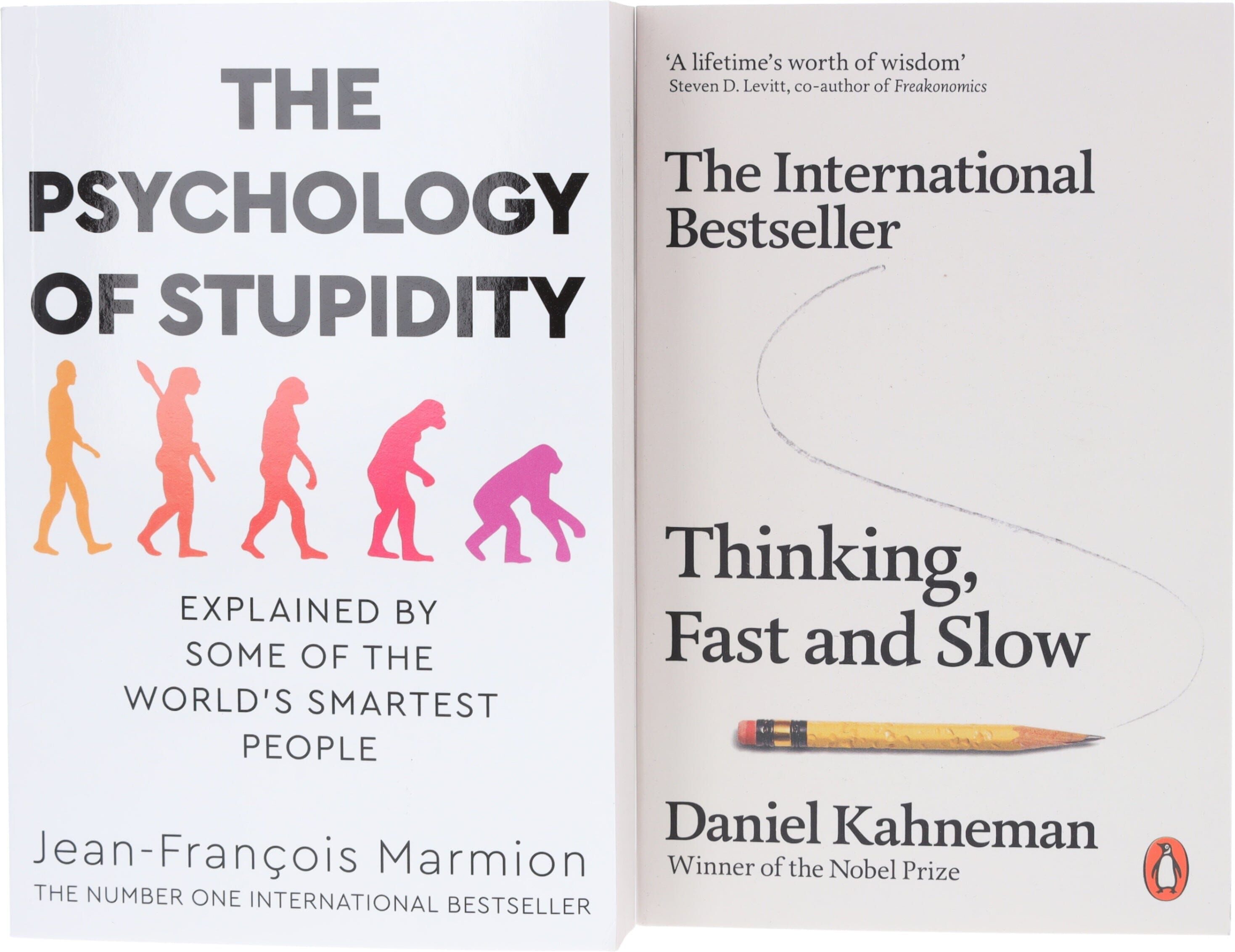
Thinking, Fast and Slow & The Psychology of Stupidity by Daniel Kahneman & Jean-Francois Marmion 2 Books Collection Set - Non Fiction - Paperback penguin/MacmillanTitles in this Set: 1. Thinking, Fast and Slow 2. The Psychology of Stupidity Description: Thinking, Fast and Slow Why is there more chance we'll believe something if it's in a bold type face? Why are judges more likely to deny parole before lunch? Why do we assume a good-looking person will be more competent? The answer lies in the two ways we make choices: fast, intuitive thinking, and slow, rational thinking. This book reveals how our minds are tripped up by error and prejudice (even when we think we are being logical), and gives you practical techniques for slower, smarter thinking, enabling you to make better decisions at work, at home, and in everything you do. The Psychology of Stupidity A comprehensive and witty exploration of human stupidity from some of the world’s smartest minds, including: Daniel Kahneman, Dan Ariely, Alison Gopnik, Howard Gardner, Antonio Damasio, Aaron James, Ryan Holiday and more, Stupidity is all around us, from the colleagues who won’t stop hitting ‘reply all’ to the former school friends posting conspiracy theories on Facebook. But in order to battle idiocy, we must first understand it. In The Psychology of Stupidity, some of the world’s leading psychologists and thinkers – including a Nobel Prize winner – will show you . . . · Why smart people sometimes believe in utter nonsense · How our lazy brains cause us to make the wrong decisions · Why trying to debate with fools is a trap · How media manipulation and Internet overstimulation makes us dumber · Why the stupidest people don’t think they’re stupid As long as there have been humans there has been human stupidity, but with wit and wisdom these great thinkers can help us understand this persistent human affliction.14,99 £*Shipping: 2,99 £Secure redirect to the provider
-
Canongate\Penguin Thinking, Fast and Slow By Daniel Kahneman & Drive: The Surprising Truth About What Motivates Us by Daniel H. Pink 2 Books Collection SetThinking, Fast and Slow By Daniel Kahneman & Drive: The Surprising Truth About What Motivates Us by Daniel H. Pink 2 Books Collection Set: Thinking Fast and Slow: Why is there more chance we'll believe something if it's in a bold type face? Why are judges more likely to deny parole before lunch? Why do we assume a good-looking person will be more competent? The answer lies in the two ways we make choices: fast, intuitive thinking, and slow, rational thinking. This book reveals how our minds are tripped up by error and prejudice (even when we think we are being logical), and gives you practical techniques for slower, smarter thinking. It will enable to you make better decisions at work, at home, and in everything you do. Drive The Surprising Truth About What Motivates Us: Forget everything you thought you knew about how to motivate people - at work, at school, at home. It is wrong. As Daniel H. Pink explains in his paradigm-shattering book Drive, the secret to high performance and satisfaction in today's world is the deeply human need to direct our own lives, to learn and create new things, and to do better by ourselves and the world.Along the way, he takes us to companies that are enlisting new approaches to motivation, and introduces us to the scientists and entrepreneurs who are pointing a bold way forward.12,89 £*Shipping: 2,99 £Secure redirect to the provider
-
What are solar panels?
Solar panels are devices that convert sunlight into electricity. They are made up of photovoltaic cells that capture the sun's energy and convert it into usable electricity. Solar panels are typically installed on rooftops or in open areas where they can receive maximum sunlight exposure. They are a sustainable and renewable energy source that helps reduce reliance on fossil fuels and decrease carbon emissions. **
-
How do solar panels work?
Solar panels work by converting sunlight into electricity through the photovoltaic effect. The panels are made up of multiple solar cells, which are made of semiconductor materials like silicon. When sunlight hits the solar cells, it excites the electrons in the material, creating an electric current. This direct current (DC) is then converted into alternating current (AC) by an inverter, which can be used to power homes, businesses, and other electrical devices. **
-
How are solar panels connected?
Solar panels are connected in series or parallel to form a solar array. In a series connection, the positive terminal of one panel is connected to the negative terminal of the next panel, increasing the voltage output. In a parallel connection, the positive terminals are connected together and the negative terminals are connected together, increasing the current output. These connections allow the individual panels to work together to generate the desired amount of electricity. **
-
How do I connect solar panels?
To connect solar panels, you will first need to mount them in a suitable location with proper sunlight exposure. Next, you will need to connect the panels in series or parallel depending on your system's voltage and current requirements. Finally, you will need to connect the panels to a charge controller to regulate the power output and then to a battery bank or inverter to store or convert the electricity generated. It is important to follow the manufacturer's instructions and safety guidelines when connecting solar panels to ensure optimal performance and safety. **
* All prices are inclusive of VAT and, if applicable, plus shipping costs. The offer information is based on the details provided by the respective shop and is updated through automated processes. Real-time updates do not occur, so deviations can occur in individual cases. ** Note: Parts of this content were created by AI.