Buy cigs.eu ?
We are moving the project
cigs.eu .
Are you interested in purchasing the domain
cigs.eu ?
domain@kv-gmbh.de · 0541-91531010
Buy cigs.eu ?
Why don't we install solar panels in the desert?
Installing solar panels in the desert can be a good idea due to the abundant sunlight available in these regions. However, there are challenges to consider such as the extreme temperatures, sandstorms, and lack of infrastructure for transmitting the generated electricity to populated areas. Additionally, the environmental impact on desert ecosystems and wildlife should be carefully assessed before implementing large-scale solar projects in these areas. **
Should we build solar panels on the roof now?
Building solar panels on the roof can be a great way to reduce energy costs and lower carbon emissions. However, before making the decision, it's important to consider factors such as the cost of installation, the amount of sunlight the roof receives, and the local regulations and incentives for solar energy. It's also important to consider the long-term benefits and potential savings from solar energy. Overall, if the conditions are right and the investment makes sense, building solar panels on the roof can be a smart decision. **

Similar search terms for We
Top-Angebote
Products related to We:
-
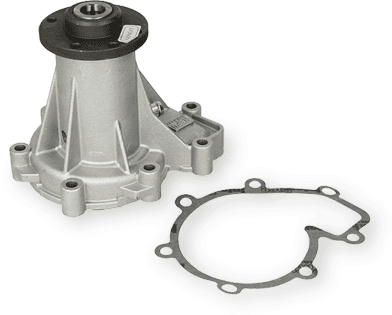
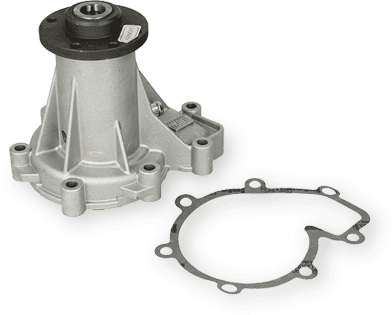
AISIN WE-CI25 Water pumpVehicle type: C15, C15 Champ, Ducato 14, Jumper 27, Jumper 35, Evasion, Synergie, Niva, Taiga, Jumper 31, Ducato 10, Dispatch, Jumpy, Ducato 18, Ducato 11; VET Number from: 6265, 6265-, 6171-, 6171; Construction Year from: 01/1993, 08/1990, 01/1994, 01/1995, 01/1996, 11/1994, 10/1995, 08/1994, 06/1994, 05/1995, 09/1997, 05/1997, 07/1996, 05/2002, 10/2000, 11/1992, 01/1999, 10/1993; Construction Year to: 06/1994, 12/1998, 08/1994, 12/1995, 12/1996, 04/1997, 11/2001, 12/1997, 01/1997, 05/2000, 09/2001, 08/2000, 02/1997, 01/2002, 10/1996, 07/1999, 08/1996, 03/1997, 12/1999, 01/1998, 03/1999, 10/2000, 09/2000, 12/2000, 05/1999, 04/1999, 10/2004, 07/1987; for RPO number up to: 07389, 06992; Engine Number from: 10CV2L4016154, 10CU4N4014120; Vehicle Identification Number (VIN) to: -07389, 7389, 07389; for RPO number from: 06265, 06993, 06171; VET Number to: 000739027,49 £*Shipping: 8,45 £Secure redirect to the provider
-
AISIN WE-VW59 Water pumpConstruction Year to: 02/1988, 07/1989, 12/1995, 12/1990, 08/1991, 08/1990, 08/1993, 11/1990, 07/1992, 12/1991, 12/1992, 11/1982, 07/1987; Vehicle Identification Number (VIN) from: F44L100001; Vehicle type: LT 28, Campmobile LT, LT 31, 244, 240, LT 40, LT 45, LT 50, LT 55; Construction Year from: 08/1983, 01/1986, 01/1979, 10/1982, 01/1987, 08/1992, 01/1985, 08/1991, 12/1982, 08/1985, 04/1979, 01/1983, 01/1991; Vehicle Identification Number (VIN) to: 30003, F44L10000035,49 £*Shipping: 8,45 £Secure redirect to the provider



-
Why don't we cover the North Pole with solar panels?
Covering the North Pole with solar panels would be logistically challenging due to the harsh environmental conditions, including extreme cold temperatures, ice cover, and limited sunlight for a significant portion of the year. Additionally, the cost of installing and maintaining solar panels in such a remote and harsh location would be prohibitively high. It is more practical to focus on installing solar panels in areas with more consistent sunlight and easier access to infrastructure for maintenance and operation. **
-
Why don't we use solar energy for transportation?
Solar energy is not widely used for transportation because the energy density of solar panels is relatively low compared to traditional fuel sources like gasoline or diesel. This means that a large surface area of solar panels would be needed to generate enough energy to power a vehicle, making it impractical for most transportation applications. Additionally, the energy generated from solar panels is intermittent and dependent on weather conditions, which makes it challenging to rely solely on solar energy for consistent transportation needs. However, there are ongoing developments in solar-powered vehicles and some forms of public transportation, such as buses and trains, are starting to integrate solar energy into their power systems. **
-
What is solar energy and how is it used in solar technology?
Solar energy is the radiant light and heat from the sun that is harnessed using a range of technologies, such as solar panels, to generate electricity or heat water. Solar technology uses photovoltaic cells to convert sunlight into electricity, which can be used to power homes, businesses, and even entire cities. Additionally, solar thermal technology uses the sun's heat to generate steam, which can then be used to drive turbines and produce electricity. Overall, solar energy is a clean and renewable source of power that is increasingly being used to reduce reliance on fossil fuels and combat climate change. **
-
Why don't we convert the solar energy from the heatwave into electricity?
Converting solar energy from a heatwave into electricity is not a straightforward process. Heatwaves are typically associated with high temperatures and intense sunlight, which can actually decrease the efficiency of solar panels. The extreme heat can cause solar panels to operate less efficiently and may even damage the panels. Additionally, the infrastructure needed to efficiently capture and convert this solar energy during a heatwave would be costly and may not be practical for widespread implementation. **
Why don't we convert the solar energy from the heat wave into electricity?
Converting solar energy from a heat wave into electricity is a complex process that requires specialized technology. While solar panels can convert sunlight directly into electricity, they are not as efficient at converting heat energy into electricity. Additionally, the infrastructure and technology required to capture and convert heat energy on a large scale may not be readily available or cost-effective. However, research and development in this area are ongoing, and there may be advancements in the future that make it more feasible to harness heat wave energy for electricity production. **
What should I consider when it comes to Solar Energy? Solar panels, batteries, and inverters.
When considering solar energy, it is important to assess your energy needs and consumption to determine the size and number of solar panels required. Additionally, you should consider the type and capacity of batteries needed to store excess energy generated by the solar panels for use during periods of low sunlight. Lastly, choosing the right inverter is crucial as it converts the direct current (DC) electricity produced by the solar panels into alternating current (AC) electricity that can be used to power your home. It is essential to ensure that all components are compatible and properly sized for optimal performance and efficiency. **
Top-Angebote
Products related to We:
-
HARPERCOLLINS Lifespan: Why We Age and Why We Dont Have ToLifespan - Why We Age and Why We Dont Have To Description In this paradigm-shifting book from acclaimed Harvard Medical School doctor and one of TIME magazine's 100 most influential people on earth; Dr. David Sinclair reveals that everything we think we know about ageing is wrong; and shares the surprising; scientifically-proven methods that can help readers live younger; longer. For decades; the medical community has looked to a variety of reasons for why we age; and the consensus is that no one dies of old age; they die of age-related diseases. That's because ageing is not a disease - it is inevitable. But what if everything you think you know about ageing is wrong?What if ageing is a disease? And that disease is curable. In LIFESPAN; Dr. David Sinclair; one of the world's foremost authorities on genetics and ageing; argues just that. He has dedicated his life's work to chasing more than a longer lifespan - he wants to enable people to live longer; healthier; and disease-free well into our hundreds. In this book; he reveals a bold new theory of ageing; one that pinpoints a root cause of ageing that lies in an ancient genetic survival circuit. This genetic trick - a circuit designed to halt reproduction in order to repair damage to the genome -has enabled earth's early microcosms to survive and evolve into more advanced organisms. But this same survival circuit is the reason we age: as genetic damage accumulates over our lifespans from UV rays; environmental toxins; and unhealthy diets; our genome is overwhelmed; causing gray hair; wrinkles; achy joints; heart issues; dementia; and; ultimately; death. But genes aren't our destiny; we have more control over them than we've been taught to believe. We can't change our DNA; but we can harness the power of the epigenome to realise the true potential of our genes. Drawing on his cutting-edge findings at the forefront of medical research; Dr. Sinclair will provide a scientifically-proven roadmap to reverse the genetic clock by activating our vitality genes; so we can live younger longer. Readers will discover how a few simple lifestyle changes - like intermittent fasting; avoiding too much animal protein; limiting sugar; avoiding x-rays; exercising with the right intensity; and even trying cold therapy - can activate our vitality genes. Dr. Sinclair ends the book with a look to the near future; exploring what the world might look like - and what will need to change - when we are all living well to 120 or more. Dr. Sinclair takes what we have long accepted as the limits of human potential and mortality and turns them into choices. THE EVOLUTION OF AGEING is destined to be the biggest book on genes; biology; and longevity of this decade.7,95 £*Shipping: 2,99 £Secure redirect to the provider
-
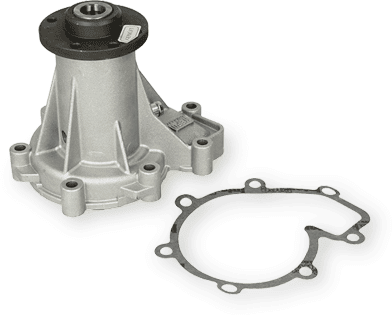
AISIN WE-CI25 Water pumpVehicle type: C15, C15 Champ, Ducato 14, Jumper 27, Jumper 35, Evasion, Synergie, Niva, Taiga, Jumper 31, Ducato 10, Dispatch, Jumpy, Ducato 18, Ducato 11; VET Number from: 6265, 6265-, 6171-, 6171; Construction Year from: 01/1993, 08/1990, 01/1994, 01/1995, 01/1996, 11/1994, 10/1995, 08/1994, 06/1994, 05/1995, 09/1997, 05/1997, 07/1996, 05/2002, 10/2000, 11/1992, 01/1999, 10/1993; Construction Year to: 06/1994, 12/1998, 08/1994, 12/1995, 12/1996, 04/1997, 11/2001, 12/1997, 01/1997, 05/2000, 09/2001, 08/2000, 02/1997, 01/2002, 10/1996, 07/1999, 08/1996, 03/1997, 12/1999, 01/1998, 03/1999, 10/2000, 09/2000, 12/2000, 05/1999, 04/1999, 10/2004, 07/1987; for RPO number up to: 07389, 06992; Engine Number from: 10CV2L4016154, 10CU4N4014120; Vehicle Identification Number (VIN) to: -07389, 7389, 07389; for RPO number from: 06265, 06993, 06171; VET Number to: 000739027,49 £*Shipping: 8,45 £Secure redirect to the provider
-
Why don't we install solar panels in the desert?
Installing solar panels in the desert can be a good idea due to the abundant sunlight available in these regions. However, there are challenges to consider such as the extreme temperatures, sandstorms, and lack of infrastructure for transmitting the generated electricity to populated areas. Additionally, the environmental impact on desert ecosystems and wildlife should be carefully assessed before implementing large-scale solar projects in these areas. **
-
Should we build solar panels on the roof now?
Building solar panels on the roof can be a great way to reduce energy costs and lower carbon emissions. However, before making the decision, it's important to consider factors such as the cost of installation, the amount of sunlight the roof receives, and the local regulations and incentives for solar energy. It's also important to consider the long-term benefits and potential savings from solar energy. Overall, if the conditions are right and the investment makes sense, building solar panels on the roof can be a smart decision. **
-
Why don't we cover the North Pole with solar panels?
Covering the North Pole with solar panels would be logistically challenging due to the harsh environmental conditions, including extreme cold temperatures, ice cover, and limited sunlight for a significant portion of the year. Additionally, the cost of installing and maintaining solar panels in such a remote and harsh location would be prohibitively high. It is more practical to focus on installing solar panels in areas with more consistent sunlight and easier access to infrastructure for maintenance and operation. **
-
Why don't we use solar energy for transportation?
Solar energy is not widely used for transportation because the energy density of solar panels is relatively low compared to traditional fuel sources like gasoline or diesel. This means that a large surface area of solar panels would be needed to generate enough energy to power a vehicle, making it impractical for most transportation applications. Additionally, the energy generated from solar panels is intermittent and dependent on weather conditions, which makes it challenging to rely solely on solar energy for consistent transportation needs. However, there are ongoing developments in solar-powered vehicles and some forms of public transportation, such as buses and trains, are starting to integrate solar energy into their power systems. **
Similar search terms for We
-
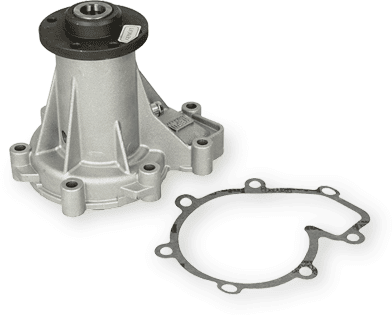
AISIN WE-VW59 Water pumpConstruction Year to: 02/1988, 07/1989, 12/1995, 12/1990, 08/1991, 08/1990, 08/1993, 11/1990, 07/1992, 12/1991, 12/1992, 11/1982, 07/1987; Vehicle Identification Number (VIN) from: F44L100001; Vehicle type: LT 28, Campmobile LT, LT 31, 244, 240, LT 40, LT 45, LT 50, LT 55; Construction Year from: 08/1983, 01/1986, 01/1979, 10/1982, 01/1987, 08/1992, 01/1985, 08/1991, 12/1982, 08/1985, 04/1979, 01/1983, 01/1991; Vehicle Identification Number (VIN) to: 30003, F44L10000035,49 £*Shipping: 8,45 £Secure redirect to the provider
-
AISIN WE-VW03 Water pumpConstruction Year to: 05/2001, 04/2002, 01/2001, 03/2002; Vehicle Identification Number (VIN) to: 6E2010000, 6Y_1X013283, 6Y1X013283, 9N_2_100000; Construction Year from: 05/1999; TecDoc Engine Number: 15377, 15473, 16337, 12589, 1633632,99 £*Shipping: 8,45 £Secure redirect to the provider
-
What is solar energy and how is it used in solar technology?
Solar energy is the radiant light and heat from the sun that is harnessed using a range of technologies, such as solar panels, to generate electricity or heat water. Solar technology uses photovoltaic cells to convert sunlight into electricity, which can be used to power homes, businesses, and even entire cities. Additionally, solar thermal technology uses the sun's heat to generate steam, which can then be used to drive turbines and produce electricity. Overall, solar energy is a clean and renewable source of power that is increasingly being used to reduce reliance on fossil fuels and combat climate change. **
-
Why don't we convert the solar energy from the heatwave into electricity?
Converting solar energy from a heatwave into electricity is not a straightforward process. Heatwaves are typically associated with high temperatures and intense sunlight, which can actually decrease the efficiency of solar panels. The extreme heat can cause solar panels to operate less efficiently and may even damage the panels. Additionally, the infrastructure needed to efficiently capture and convert this solar energy during a heatwave would be costly and may not be practical for widespread implementation. **
-
Why don't we convert the solar energy from the heat wave into electricity?
Converting solar energy from a heat wave into electricity is a complex process that requires specialized technology. While solar panels can convert sunlight directly into electricity, they are not as efficient at converting heat energy into electricity. Additionally, the infrastructure and technology required to capture and convert heat energy on a large scale may not be readily available or cost-effective. However, research and development in this area are ongoing, and there may be advancements in the future that make it more feasible to harness heat wave energy for electricity production. **
-
What should I consider when it comes to Solar Energy? Solar panels, batteries, and inverters.
When considering solar energy, it is important to assess your energy needs and consumption to determine the size and number of solar panels required. Additionally, you should consider the type and capacity of batteries needed to store excess energy generated by the solar panels for use during periods of low sunlight. Lastly, choosing the right inverter is crucial as it converts the direct current (DC) electricity produced by the solar panels into alternating current (AC) electricity that can be used to power your home. It is essential to ensure that all components are compatible and properly sized for optimal performance and efficiency. **
* All prices are inclusive of VAT and, if applicable, plus shipping costs. The offer information is based on the details provided by the respective shop and is updated through automated processes. Real-time updates do not occur, so deviations can occur in individual cases. ** Note: Parts of this content were created by AI.