Buy cigs.eu ?
We are moving the project
cigs.eu .
Are you interested in purchasing the domain
cigs.eu ?
domain@kv-gmbh.de · 0541-91531010
Buy cigs.eu ?
'Aerobic or anaerobic?'
Aerobic exercise refers to activities that require oxygen to meet the body's energy demands, such as running, swimming, or cycling. These activities help improve cardiovascular health, endurance, and overall fitness. Anaerobic exercise, on the other hand, involves short bursts of intense activity that do not rely on oxygen for energy production, such as weightlifting or sprinting. Both types of exercise are important for overall health and fitness, with aerobic exercise focusing on endurance and cardiovascular health, while anaerobic exercise helps build strength and power. **
Why does aerobic energy production require more energy than anaerobic energy production?
Aerobic energy production requires more energy than anaerobic energy production because it involves the use of oxygen to break down glucose completely, resulting in a higher yield of ATP (energy) per molecule of glucose. In contrast, anaerobic energy production does not require oxygen and only partially breaks down glucose, leading to a lower yield of ATP. The additional steps and processes involved in aerobic energy production make it more efficient but also require more energy input. **

Similar search terms for Anaerobic
Top-Angebote
Products related to Anaerobic:
-
HARPERCOLLINS Creative Confidence by Tom & David Kelley – Unleashing Your Creative Potential & Innovation MindsetA powerful and inspiring book from the founders of IDEO, the award-winning design firm, on unleashing the creativity that lies within each and every one of us. Too often, companies and individuals assume that creativity and innovation are the domain of the ‘creative types’. But two of the foremost experts in innovation, design and creativity on the planet show us that each and every one of us is creative. In an entertaining and inspiring narrative that draws on countless stories from their work at IDEO, and with many of the world's top companies and design firms, David and Tom Kelley identify the principles and strategies that will allow us to tap into our creative potential in our work lives, and in our personal lives, allow us to think outside the box in terms of how we approach and solve problems. ‘Creative Confidence’ is a book that will help each of us be more productive and successful in our lives and in our careers.4,95 £*Shipping: 1,99 £Secure redirect to the provider
-
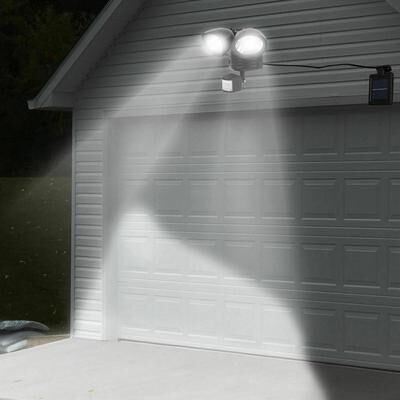
All Categories Goods LED Solar Motion Sensor Outdoor Security Wall Lights Waterproof & Energy Efficient LED Solar Motion Sensor Outdoor Security Wall Lights Waterproof & Energy EfficientIlluminate your home with the power of the sun with the 1 pc of 168 LED Solar Motion Sensor Outdoor Security Wall Lights. Designed for homeowners seeking reliable, ecofriendly lighting solutions, these outdoor lights offer superior security and...44,97 $*Shipping: 0,00 $Secure redirect to the provider




-
What is the difference between anaerobic and aerobic energy production?
Anaerobic energy production occurs in the absence of oxygen and involves the breakdown of glucose to produce energy quickly, but less efficiently, resulting in the accumulation of lactic acid. Aerobic energy production, on the other hand, requires oxygen and involves the breakdown of glucose and fatty acids to produce energy more efficiently, without the accumulation of lactic acid. Aerobic energy production is sustainable for longer periods of time and is the primary energy source for activities that are low to moderate in intensity and longer in duration. **
-
Why is more energy needed for aerobic energy production than for anaerobic energy production?
More energy is needed for aerobic energy production than for anaerobic energy production because aerobic metabolism requires oxygen to break down glucose completely, resulting in the production of more ATP molecules. In contrast, anaerobic metabolism does not require oxygen and only partially breaks down glucose, leading to the production of fewer ATP molecules. Therefore, aerobic energy production is more efficient but requires more energy input in the form of oxygen. **
-
Is photosynthesis an aerobic or anaerobic process?
Photosynthesis is an aerobic process, meaning it requires the presence of oxygen to occur. During photosynthesis, plants use sunlight to convert carbon dioxide and water into glucose and oxygen. This process takes place in the chloroplasts of plant cells and is essential for the production of energy-rich molecules that sustain life on Earth. Without oxygen, photosynthesis cannot occur, making it a fundamentally aerobic process. **
-
Can someone tell me the advantages and disadvantages of anaerobic and aerobic energy production?
The advantages of anaerobic energy production include its ability to provide quick bursts of energy for high-intensity activities, such as sprinting or weightlifting. It also does not require oxygen, making it accessible for short-term energy needs. However, the disadvantages include the production of lactic acid, which can lead to muscle fatigue and soreness. On the other hand, aerobic energy production provides a more sustained and efficient energy source for longer duration activities, such as distance running or cycling. It also helps improve cardiovascular and respiratory function. However, it requires a constant supply of oxygen, making it less accessible for immediate energy needs and can take longer to produce energy compared to anaerobic processes. **


Is aerobic and anaerobic cellular respiration the same thing?
No, aerobic and anaerobic cellular respiration are not the same thing. Aerobic respiration requires oxygen to break down glucose and produce energy, while anaerobic respiration does not require oxygen and produces energy through a different process, such as fermentation. Aerobic respiration is more efficient and produces more energy compared to anaerobic respiration. **
Is the anaerobic heart rate too high when running?
The anaerobic heart rate can become too high when running if the intensity of the exercise exceeds the body's ability to supply enough oxygen to the muscles. This can lead to a buildup of lactic acid in the muscles, causing fatigue and discomfort. It's important to monitor your heart rate and adjust your running pace to ensure that you stay within a safe and sustainable anaerobic zone. Training at too high of an anaerobic heart rate for extended periods can lead to overtraining and potential injury. **
Top-Angebote
Products related to Anaerobic:
-
All Categories Goods LED Solar Security Light Dual Motion Sensor Outdoor Floodlight With LED Technology For Energy Efficient Illumination LED Solar Security Light Dual Motion Sensor Outdoor Floodlight With LED Technology For Energy Efficient IlluminationBrighten your outdoor space with the 1 pcs of 22 LED Solar Security Light, designed for maximum visibility and security. Powered by ecofriendly solar energy, this motion sensor floodlight activates when movement is detected, offering both...63,97 $*Shipping: 0,00 $Secure redirect to the provider
-
All Categories Goods Waterproof LED Solar Motion Sensor Light For Garden Wall With PIR Technology Waterproof LED Solar Motion Sensor Light For Garden Wall With PIR TechnologyIlluminate your outdoors with the 1 pc of Waterproof Solar Power Lights featuring 468 highintensity LEDs. Ideal for gardens, patios, or any outdoor space, this energyefficient light uses solar power, ensuring a green and sustainable lighting...56,97 $*Shipping: 0,00 $Secure redirect to the provider
-
HARPERCOLLINS Creative Confidence by Tom & David Kelley – Unleashing Your Creative Potential & Innovation MindsetA powerful and inspiring book from the founders of IDEO, the award-winning design firm, on unleashing the creativity that lies within each and every one of us. Too often, companies and individuals assume that creativity and innovation are the domain of the ‘creative types’. But two of the foremost experts in innovation, design and creativity on the planet show us that each and every one of us is creative. In an entertaining and inspiring narrative that draws on countless stories from their work at IDEO, and with many of the world's top companies and design firms, David and Tom Kelley identify the principles and strategies that will allow us to tap into our creative potential in our work lives, and in our personal lives, allow us to think outside the box in terms of how we approach and solve problems. ‘Creative Confidence’ is a book that will help each of us be more productive and successful in our lives and in our careers.4,95 £*Shipping: 1,99 £Secure redirect to the provider
-
All Categories Goods LED Solar Motion Sensor Outdoor Security Wall Lights Waterproof & Energy Efficient LED Solar Motion Sensor Outdoor Security Wall Lights Waterproof & Energy EfficientIlluminate your home with the power of the sun with the 1 pc of 168 LED Solar Motion Sensor Outdoor Security Wall Lights. Designed for homeowners seeking reliable, ecofriendly lighting solutions, these outdoor lights offer superior security and...44,97 $*Shipping: 0,00 $Secure redirect to the provider
-
'Aerobic or anaerobic?'
Aerobic exercise refers to activities that require oxygen to meet the body's energy demands, such as running, swimming, or cycling. These activities help improve cardiovascular health, endurance, and overall fitness. Anaerobic exercise, on the other hand, involves short bursts of intense activity that do not rely on oxygen for energy production, such as weightlifting or sprinting. Both types of exercise are important for overall health and fitness, with aerobic exercise focusing on endurance and cardiovascular health, while anaerobic exercise helps build strength and power. **
-
Why does aerobic energy production require more energy than anaerobic energy production?
Aerobic energy production requires more energy than anaerobic energy production because it involves the use of oxygen to break down glucose completely, resulting in a higher yield of ATP (energy) per molecule of glucose. In contrast, anaerobic energy production does not require oxygen and only partially breaks down glucose, leading to a lower yield of ATP. The additional steps and processes involved in aerobic energy production make it more efficient but also require more energy input. **
-
What is the difference between anaerobic and aerobic energy production?
Anaerobic energy production occurs in the absence of oxygen and involves the breakdown of glucose to produce energy quickly, but less efficiently, resulting in the accumulation of lactic acid. Aerobic energy production, on the other hand, requires oxygen and involves the breakdown of glucose and fatty acids to produce energy more efficiently, without the accumulation of lactic acid. Aerobic energy production is sustainable for longer periods of time and is the primary energy source for activities that are low to moderate in intensity and longer in duration. **
-
Why is more energy needed for aerobic energy production than for anaerobic energy production?
More energy is needed for aerobic energy production than for anaerobic energy production because aerobic metabolism requires oxygen to break down glucose completely, resulting in the production of more ATP molecules. In contrast, anaerobic metabolism does not require oxygen and only partially breaks down glucose, leading to the production of fewer ATP molecules. Therefore, aerobic energy production is more efficient but requires more energy input in the form of oxygen. **
Similar search terms for Anaerobic
-
Is photosynthesis an aerobic or anaerobic process?
Photosynthesis is an aerobic process, meaning it requires the presence of oxygen to occur. During photosynthesis, plants use sunlight to convert carbon dioxide and water into glucose and oxygen. This process takes place in the chloroplasts of plant cells and is essential for the production of energy-rich molecules that sustain life on Earth. Without oxygen, photosynthesis cannot occur, making it a fundamentally aerobic process. **
-
Can someone tell me the advantages and disadvantages of anaerobic and aerobic energy production?
The advantages of anaerobic energy production include its ability to provide quick bursts of energy for high-intensity activities, such as sprinting or weightlifting. It also does not require oxygen, making it accessible for short-term energy needs. However, the disadvantages include the production of lactic acid, which can lead to muscle fatigue and soreness. On the other hand, aerobic energy production provides a more sustained and efficient energy source for longer duration activities, such as distance running or cycling. It also helps improve cardiovascular and respiratory function. However, it requires a constant supply of oxygen, making it less accessible for immediate energy needs and can take longer to produce energy compared to anaerobic processes. **
-
Is aerobic and anaerobic cellular respiration the same thing?
No, aerobic and anaerobic cellular respiration are not the same thing. Aerobic respiration requires oxygen to break down glucose and produce energy, while anaerobic respiration does not require oxygen and produces energy through a different process, such as fermentation. Aerobic respiration is more efficient and produces more energy compared to anaerobic respiration. **
-
Is the anaerobic heart rate too high when running?
The anaerobic heart rate can become too high when running if the intensity of the exercise exceeds the body's ability to supply enough oxygen to the muscles. This can lead to a buildup of lactic acid in the muscles, causing fatigue and discomfort. It's important to monitor your heart rate and adjust your running pace to ensure that you stay within a safe and sustainable anaerobic zone. Training at too high of an anaerobic heart rate for extended periods can lead to overtraining and potential injury. **
* All prices are inclusive of VAT and, if applicable, plus shipping costs. The offer information is based on the details provided by the respective shop and is updated through automated processes. Real-time updates do not occur, so deviations can occur in individual cases. ** Note: Parts of this content were created by AI.