Buy cigs.eu ?
We are moving the project
cigs.eu .
Are you interested in purchasing the domain
cigs.eu ?
domain@kv-gmbh.de · 0541-91531010
Buy cigs.eu ?
When is the imparfait used?
The imparfait is used in French to describe ongoing or repeated actions in the past, to set the scene or provide background information, to express habitual actions in the past, and to describe physical and emotional states in the past. It is often used in conjunction with the passé composé to provide a more complete picture of past events. The imparfait is also commonly used in storytelling and narration. **
What is the story in French imparfait?
The French imparfait is used to describe ongoing or habitual actions in the past. It sets the scene, describes the background, or provides context for a specific event or action in the past. It is often used to talk about childhood memories, past habits, or to describe a situation or state of being in the past. The imparfait is formed by taking the present tense nous form of the verb, dropping the -ons ending, and adding the imparfait endings (-ais, -ais, -ait, -ions, -iez, -aient). **

Similar search terms for Imparfait
Top-Angebote
Products related to Imparfait:
-
HARPERCOLLINS Creative Confidence by Tom & David Kelley – Unleashing Your Creative Potential & Innovation MindsetA powerful and inspiring book from the founders of IDEO, the award-winning design firm, on unleashing the creativity that lies within each and every one of us. Too often, companies and individuals assume that creativity and innovation are the domain of the ‘creative types’. But two of the foremost experts in innovation, design and creativity on the planet show us that each and every one of us is creative. In an entertaining and inspiring narrative that draws on countless stories from their work at IDEO, and with many of the world's top companies and design firms, David and Tom Kelley identify the principles and strategies that will allow us to tap into our creative potential in our work lives, and in our personal lives, allow us to think outside the box in terms of how we approach and solve problems. ‘Creative Confidence’ is a book that will help each of us be more productive and successful in our lives and in our careers.4,95 £*Shipping: 1,99 £Secure redirect to the provider
-
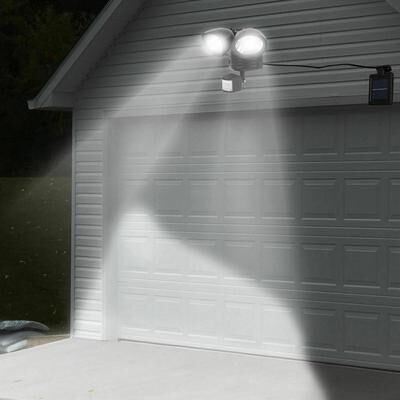
All Categories Goods LED Solar Motion Sensor Outdoor Security Wall Lights Waterproof & Energy Efficient LED Solar Motion Sensor Outdoor Security Wall Lights Waterproof & Energy EfficientIlluminate your home with the power of the sun with the 1 pc of 168 LED Solar Motion Sensor Outdoor Security Wall Lights. Designed for homeowners seeking reliable, ecofriendly lighting solutions, these outdoor lights offer superior security and...44,97 $*Shipping: 0,00 $Secure redirect to the provider




-
How do you translate the French imparfait into German?
To translate the French imparfait into German, you can use the German simple past tense (Präteritum) or the present perfect tense (Perfekt). The choice between the two depends on the context and the specific meaning you want to convey. The simple past tense is more commonly used in written German, while the present perfect tense is more common in spoken German. It's important to pay attention to the verb conjugations and the nuances of each tense to accurately convey the meaning of the imparfait in German. **
-
What is the difference between Imparfait and passé Composé?
The main difference between Imparfait and passé Composé is the way they are used to describe actions in the past. Imparfait is used to describe ongoing or repeated actions in the past, while passé Composé is used to describe specific actions that were completed in the past. Additionally, Imparfait is often used to set the scene or provide background information, while passé Composé is used to highlight the main events or actions. In terms of formation, Imparfait is formed by using the present tense of the verb as a base and adding specific endings, while passé Composé is formed by using the auxiliary verb "avoir" or "être" with the past participle of the main verb. **
-
What are the irregular verbs in the imparfait tense?
In the imparfait tense, irregular verbs include être (to be), avoir (to have), savoir (to know), vouloir (to want), pouvoir (to be able to), and aller (to go). These verbs have unique conjugations in the imparfait tense and do not follow the regular pattern of regular -er, -ir, or -re verbs. It is important to memorize the irregular conjugations of these verbs to use them correctly in the imparfait tense. **
-
What is the difference between Imparfait and Conditionnel présent?
The Imparfait is used to describe ongoing or repeated actions in the past, while the Conditionnel présent is used to express hypothetical or uncertain actions in the present or future. The Imparfait is used to set the scene or provide background information, while the Conditionnel présent is used to express a condition or consequence. Additionally, the Imparfait is formed by adding specific endings to the root of the verb, while the Conditionnel présent is formed by adding specific endings to the infinitive form of the verb. **


What is solar energy and how is it used in solar technology?
Solar energy is the radiant light and heat from the sun that is harnessed using a range of technologies, such as solar panels, to generate electricity or heat water. Solar technology uses photovoltaic cells to convert sunlight into electricity, which can be used to power homes, businesses, and even entire cities. Additionally, solar thermal technology uses the sun's heat to generate steam, which can then be used to drive turbines and produce electricity. Overall, solar energy is a clean and renewable source of power that is increasingly being used to reduce reliance on fossil fuels and combat climate change. **
What do I have to use, imparfait or passé composé?
You have to use the imparfait tense when describing ongoing or repeated actions in the past, setting the scene, or expressing habitual actions. On the other hand, you have to use the passé composé tense when talking about completed actions in the past, specific events that occurred at a particular moment, or actions that happened in a sequence. It is important to choose the correct tense based on the context and the meaning you want to convey in your sentence. **
Top-Angebote
Products related to Imparfait:
-
All Categories Goods LED Solar Security Light Dual Motion Sensor Outdoor Floodlight With LED Technology For Energy Efficient Illumination LED Solar Security Light Dual Motion Sensor Outdoor Floodlight With LED Technology For Energy Efficient IlluminationBrighten your outdoor space with the 1 pcs of 22 LED Solar Security Light, designed for maximum visibility and security. Powered by ecofriendly solar energy, this motion sensor floodlight activates when movement is detected, offering both...63,97 $*Shipping: 0,00 $Secure redirect to the provider
-
All Categories Goods Waterproof LED Solar Motion Sensor Light For Garden Wall With PIR Technology Waterproof LED Solar Motion Sensor Light For Garden Wall With PIR TechnologyIlluminate your outdoors with the 1 pc of Waterproof Solar Power Lights featuring 468 highintensity LEDs. Ideal for gardens, patios, or any outdoor space, this energyefficient light uses solar power, ensuring a green and sustainable lighting...56,97 $*Shipping: 0,00 $Secure redirect to the provider
-
HARPERCOLLINS Creative Confidence by Tom & David Kelley – Unleashing Your Creative Potential & Innovation MindsetA powerful and inspiring book from the founders of IDEO, the award-winning design firm, on unleashing the creativity that lies within each and every one of us. Too often, companies and individuals assume that creativity and innovation are the domain of the ‘creative types’. But two of the foremost experts in innovation, design and creativity on the planet show us that each and every one of us is creative. In an entertaining and inspiring narrative that draws on countless stories from their work at IDEO, and with many of the world's top companies and design firms, David and Tom Kelley identify the principles and strategies that will allow us to tap into our creative potential in our work lives, and in our personal lives, allow us to think outside the box in terms of how we approach and solve problems. ‘Creative Confidence’ is a book that will help each of us be more productive and successful in our lives and in our careers.4,95 £*Shipping: 1,99 £Secure redirect to the provider
-
All Categories Goods LED Solar Motion Sensor Outdoor Security Wall Lights Waterproof & Energy Efficient LED Solar Motion Sensor Outdoor Security Wall Lights Waterproof & Energy EfficientIlluminate your home with the power of the sun with the 1 pc of 168 LED Solar Motion Sensor Outdoor Security Wall Lights. Designed for homeowners seeking reliable, ecofriendly lighting solutions, these outdoor lights offer superior security and...44,97 $*Shipping: 0,00 $Secure redirect to the provider
-
When is the imparfait used?
The imparfait is used in French to describe ongoing or repeated actions in the past, to set the scene or provide background information, to express habitual actions in the past, and to describe physical and emotional states in the past. It is often used in conjunction with the passé composé to provide a more complete picture of past events. The imparfait is also commonly used in storytelling and narration. **
-
What is the story in French imparfait?
The French imparfait is used to describe ongoing or habitual actions in the past. It sets the scene, describes the background, or provides context for a specific event or action in the past. It is often used to talk about childhood memories, past habits, or to describe a situation or state of being in the past. The imparfait is formed by taking the present tense nous form of the verb, dropping the -ons ending, and adding the imparfait endings (-ais, -ais, -ait, -ions, -iez, -aient). **
-
How do you translate the French imparfait into German?
To translate the French imparfait into German, you can use the German simple past tense (Präteritum) or the present perfect tense (Perfekt). The choice between the two depends on the context and the specific meaning you want to convey. The simple past tense is more commonly used in written German, while the present perfect tense is more common in spoken German. It's important to pay attention to the verb conjugations and the nuances of each tense to accurately convey the meaning of the imparfait in German. **
-
What is the difference between Imparfait and passé Composé?
The main difference between Imparfait and passé Composé is the way they are used to describe actions in the past. Imparfait is used to describe ongoing or repeated actions in the past, while passé Composé is used to describe specific actions that were completed in the past. Additionally, Imparfait is often used to set the scene or provide background information, while passé Composé is used to highlight the main events or actions. In terms of formation, Imparfait is formed by using the present tense of the verb as a base and adding specific endings, while passé Composé is formed by using the auxiliary verb "avoir" or "être" with the past participle of the main verb. **
Similar search terms for Imparfait
-
What are the irregular verbs in the imparfait tense?
In the imparfait tense, irregular verbs include être (to be), avoir (to have), savoir (to know), vouloir (to want), pouvoir (to be able to), and aller (to go). These verbs have unique conjugations in the imparfait tense and do not follow the regular pattern of regular -er, -ir, or -re verbs. It is important to memorize the irregular conjugations of these verbs to use them correctly in the imparfait tense. **
-
What is the difference between Imparfait and Conditionnel présent?
The Imparfait is used to describe ongoing or repeated actions in the past, while the Conditionnel présent is used to express hypothetical or uncertain actions in the present or future. The Imparfait is used to set the scene or provide background information, while the Conditionnel présent is used to express a condition or consequence. Additionally, the Imparfait is formed by adding specific endings to the root of the verb, while the Conditionnel présent is formed by adding specific endings to the infinitive form of the verb. **
-
What is solar energy and how is it used in solar technology?
Solar energy is the radiant light and heat from the sun that is harnessed using a range of technologies, such as solar panels, to generate electricity or heat water. Solar technology uses photovoltaic cells to convert sunlight into electricity, which can be used to power homes, businesses, and even entire cities. Additionally, solar thermal technology uses the sun's heat to generate steam, which can then be used to drive turbines and produce electricity. Overall, solar energy is a clean and renewable source of power that is increasingly being used to reduce reliance on fossil fuels and combat climate change. **
-
What do I have to use, imparfait or passé composé?
You have to use the imparfait tense when describing ongoing or repeated actions in the past, setting the scene, or expressing habitual actions. On the other hand, you have to use the passé composé tense when talking about completed actions in the past, specific events that occurred at a particular moment, or actions that happened in a sequence. It is important to choose the correct tense based on the context and the meaning you want to convey in your sentence. **
* All prices are inclusive of VAT and, if applicable, plus shipping costs. The offer information is based on the details provided by the respective shop and is updated through automated processes. Real-time updates do not occur, so deviations can occur in individual cases. ** Note: Parts of this content were created by AI.