Buy cigs.eu ?
We are moving the project
cigs.eu .
Are you interested in purchasing the domain
cigs.eu ?
domain@kv-gmbh.de · 0541-91531010
Buy cigs.eu ?
Is the kinetic energy proportional or not proportional to the vertical distance of the potential energy?
Kinetic energy is not directly proportional to the vertical distance of potential energy. The relationship between kinetic and potential energy is determined by the conservation of mechanical energy, which states that the total mechanical energy (kinetic energy + potential energy) of a system remains constant in the absence of non-conservative forces. Therefore, changes in potential energy due to changes in vertical distance will result in corresponding changes in kinetic energy to maintain the total mechanical energy constant. **
Is the kinetic energy ekin proportional or not proportional to the distance of the fall for potential energy?
The kinetic energy (ekin) is not directly proportional to the distance of the fall for potential energy. While the kinetic energy of an object increases as it falls due to the increase in velocity, the relationship is not linear. The kinetic energy is actually proportional to the square of the velocity, which is influenced by the distance of the fall but also by other factors such as the mass of the object and the effects of air resistance. Therefore, while the distance of the fall does impact the kinetic energy, it is not a direct and linear relationship. **


Similar search terms for Proportional
Top-Angebote
Products related to Proportional:
-
Sesderma Reti Age 5 Liposomal Serum Anti-Aging Innovation 30mLA facial serum for wrinkles and signs of ageing. Reduces wrinkles and fine lines. Hydrates and strengthens barrier. Restores youthful radiance. 5-Retinoid System: smooths wrinkles, accelerates renewal, and boosts collagen. Biomimetic Peptides: fill expression lines by stimulating collagen synthesis.54,51 £*Shipping: 5,34 £Secure redirect to the provider
-
All Categories Goods LED Solar Motion Sensor Outdoor Security Wall Lights Waterproof & Energy Efficient LED Solar Motion Sensor Outdoor Security Wall Lights Waterproof & Energy EfficientIlluminate your home with the power of the sun with the 1 pc of 168 LED Solar Motion Sensor Outdoor Security Wall Lights. Designed for homeowners seeking reliable, ecofriendly lighting solutions, these outdoor lights offer superior security and...44,97 $*Shipping: 0,00 $Secure redirect to the provider
-
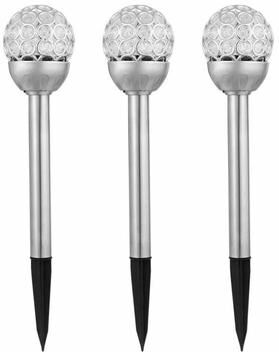
Multicon Wholesale Hub Waterproof Outdoor Solar LED Ground Light, RGB Lamp For Garden, Yard, Path Decor, Energy Saving Solar Waterproof Outdoor Solar LED Ground Light, RGB Lamp For Garden, Yard, Path Decor, Energy Saving SolarBright and Durable Solar Garden Lighting Enhance your outdoor spaces with these 3 Solar LED Ground Light Ball RGB Lamps, designed to provide both beauty and functionality. Crafted from premium stainless steel and ABS plastic, these solar lights are...59,97 $*Shipping: 0,00 $Secure redirect to the provider



-
Why is kinetic energy proportional to v squared?
Kinetic energy is proportional to velocity squared because the kinetic energy of an object is directly related to its speed. The formula for kinetic energy, KE = 1/2 * m * v^2, shows that the energy increases exponentially with the velocity squared. This relationship is due to the fact that an object's kinetic energy is a measure of the work required to accelerate it to a certain speed, and the work done is proportional to the square of the velocity. **
-
What is the difference between proportional and inverse proportional?
Proportional and inverse proportional relationships are two types of relationships between two variables. In a proportional relationship, as one variable increases, the other variable also increases at a constant rate. This means that the ratio between the two variables remains the same. In an inverse proportional relationship, as one variable increases, the other variable decreases at a constant rate. This means that the product of the two variables remains constant. **
-
How can one recognize proportional and inverse proportional relationships?
Proportional relationships can be recognized when two quantities increase or decrease at the same rate. This means that when one quantity doubles, the other quantity also doubles. Inverse proportional relationships, on the other hand, can be recognized when one quantity increases while the other decreases at a constant rate, or vice versa. This means that when one quantity doubles, the other quantity is halved. One can recognize these relationships by plotting the data on a graph and observing if the points form a straight line through the origin for proportional relationships, or if the points form a curve for inverse proportional relationships. **
-
What is the difference between proportional relationships and inverse proportional relationships?
Proportional relationships are those in which the two variables increase or decrease at a constant rate. In other words, when one variable doubles, the other variable also doubles. In contrast, inverse proportional relationships are those in which one variable increases as the other decreases, and vice versa. In an inverse proportional relationship, the product of the two variables remains constant. In other words, when one variable doubles, the other variable is halved. **


What are proportional relationships?
Proportional relationships are relationships between two quantities where they change in a consistent manner. This means that as one quantity increases or decreases, the other quantity also increases or decreases in a predictable way. In a proportional relationship, the ratio between the two quantities remains constant. This can be represented by a straight line when graphed. **
Which of the relationships is inversely proportional and which is directly proportional?
The relationship between the distance traveled and the time taken is inversely proportional, as the faster you travel, the less time it takes to reach a destination. On the other hand, the relationship between the force applied and the acceleration produced is directly proportional, as increasing the force applied will result in a corresponding increase in acceleration. **
Top-Angebote
Products related to Proportional:
-
All Categories Goods LED Solar Security Light Dual Motion Sensor Outdoor Floodlight With LED Technology For Energy Efficient Illumination LED Solar Security Light Dual Motion Sensor Outdoor Floodlight With LED Technology For Energy Efficient IlluminationBrighten your outdoor space with the 1 pcs of 22 LED Solar Security Light, designed for maximum visibility and security. Powered by ecofriendly solar energy, this motion sensor floodlight activates when movement is detected, offering both...63,97 $*Shipping: 0,00 $Secure redirect to the provider
-
All Categories Goods Waterproof LED Solar Motion Sensor Light For Garden Wall With PIR Technology Waterproof LED Solar Motion Sensor Light For Garden Wall With PIR TechnologyIlluminate your outdoors with the 1 pc of Waterproof Solar Power Lights featuring 468 highintensity LEDs. Ideal for gardens, patios, or any outdoor space, this energyefficient light uses solar power, ensuring a green and sustainable lighting...56,97 $*Shipping: 0,00 $Secure redirect to the provider
-
Sesderma Reti Age 5 Liposomal Serum Anti-Aging Innovation 30mLA facial serum for wrinkles and signs of ageing. Reduces wrinkles and fine lines. Hydrates and strengthens barrier. Restores youthful radiance. 5-Retinoid System: smooths wrinkles, accelerates renewal, and boosts collagen. Biomimetic Peptides: fill expression lines by stimulating collagen synthesis.54,51 £*Shipping: 5,34 £Secure redirect to the provider
-
All Categories Goods LED Solar Motion Sensor Outdoor Security Wall Lights Waterproof & Energy Efficient LED Solar Motion Sensor Outdoor Security Wall Lights Waterproof & Energy EfficientIlluminate your home with the power of the sun with the 1 pc of 168 LED Solar Motion Sensor Outdoor Security Wall Lights. Designed for homeowners seeking reliable, ecofriendly lighting solutions, these outdoor lights offer superior security and...44,97 $*Shipping: 0,00 $Secure redirect to the provider
-
Is the kinetic energy proportional or not proportional to the vertical distance of the potential energy?
Kinetic energy is not directly proportional to the vertical distance of potential energy. The relationship between kinetic and potential energy is determined by the conservation of mechanical energy, which states that the total mechanical energy (kinetic energy + potential energy) of a system remains constant in the absence of non-conservative forces. Therefore, changes in potential energy due to changes in vertical distance will result in corresponding changes in kinetic energy to maintain the total mechanical energy constant. **
-
Is the kinetic energy ekin proportional or not proportional to the distance of the fall for potential energy?
The kinetic energy (ekin) is not directly proportional to the distance of the fall for potential energy. While the kinetic energy of an object increases as it falls due to the increase in velocity, the relationship is not linear. The kinetic energy is actually proportional to the square of the velocity, which is influenced by the distance of the fall but also by other factors such as the mass of the object and the effects of air resistance. Therefore, while the distance of the fall does impact the kinetic energy, it is not a direct and linear relationship. **
-
Why is kinetic energy proportional to v squared?
Kinetic energy is proportional to velocity squared because the kinetic energy of an object is directly related to its speed. The formula for kinetic energy, KE = 1/2 * m * v^2, shows that the energy increases exponentially with the velocity squared. This relationship is due to the fact that an object's kinetic energy is a measure of the work required to accelerate it to a certain speed, and the work done is proportional to the square of the velocity. **
-
What is the difference between proportional and inverse proportional?
Proportional and inverse proportional relationships are two types of relationships between two variables. In a proportional relationship, as one variable increases, the other variable also increases at a constant rate. This means that the ratio between the two variables remains the same. In an inverse proportional relationship, as one variable increases, the other variable decreases at a constant rate. This means that the product of the two variables remains constant. **
Similar search terms for Proportional
-
Multicon Wholesale Hub Waterproof Outdoor Solar LED Ground Light, RGB Lamp For Garden, Yard, Path Decor, Energy Saving Solar Waterproof Outdoor Solar LED Ground Light, RGB Lamp For Garden, Yard, Path Decor, Energy Saving SolarBright and Durable Solar Garden Lighting Enhance your outdoor spaces with these 3 Solar LED Ground Light Ball RGB Lamps, designed to provide both beauty and functionality. Crafted from premium stainless steel and ABS plastic, these solar lights are...59,97 $*Shipping: 0,00 $Secure redirect to the provider
-
How can one recognize proportional and inverse proportional relationships?
Proportional relationships can be recognized when two quantities increase or decrease at the same rate. This means that when one quantity doubles, the other quantity also doubles. Inverse proportional relationships, on the other hand, can be recognized when one quantity increases while the other decreases at a constant rate, or vice versa. This means that when one quantity doubles, the other quantity is halved. One can recognize these relationships by plotting the data on a graph and observing if the points form a straight line through the origin for proportional relationships, or if the points form a curve for inverse proportional relationships. **
-
What is the difference between proportional relationships and inverse proportional relationships?
Proportional relationships are those in which the two variables increase or decrease at a constant rate. In other words, when one variable doubles, the other variable also doubles. In contrast, inverse proportional relationships are those in which one variable increases as the other decreases, and vice versa. In an inverse proportional relationship, the product of the two variables remains constant. In other words, when one variable doubles, the other variable is halved. **
-
What are proportional relationships?
Proportional relationships are relationships between two quantities where they change in a consistent manner. This means that as one quantity increases or decreases, the other quantity also increases or decreases in a predictable way. In a proportional relationship, the ratio between the two quantities remains constant. This can be represented by a straight line when graphed. **
-
Which of the relationships is inversely proportional and which is directly proportional?
The relationship between the distance traveled and the time taken is inversely proportional, as the faster you travel, the less time it takes to reach a destination. On the other hand, the relationship between the force applied and the acceleration produced is directly proportional, as increasing the force applied will result in a corresponding increase in acceleration. **
* All prices are inclusive of VAT and, if applicable, plus shipping costs. The offer information is based on the details provided by the respective shop and is updated through automated processes. Real-time updates do not occur, so deviations can occur in individual cases. ** Note: Parts of this content were created by AI.