Buy cigs.eu ?
We are moving the project
cigs.eu .
Are you interested in purchasing the domain
cigs.eu ?
domain@kv-gmbh.de · 0541-91531010
Buy cigs.eu ?
How does silicate paint flow?
Silicate paint flows by capillary action, which means it is drawn into the porous surface of the substrate. The paint penetrates the surface and bonds with it chemically, creating a durable and long-lasting finish. This flow allows the paint to form a strong bond with the substrate, resulting in a smooth and even coverage. Additionally, the flow of silicate paint helps to create a breathable surface that is resistant to moisture and mold. **
How does silicate plaster paint flow?
Silicate plaster paint flows smoothly and evenly due to its thin consistency and high water content. The paint has a self-leveling property, allowing it to spread easily over surfaces without leaving brush marks or streaks. It also has good adhesion properties, ensuring that it adheres well to various substrates. Overall, silicate plaster paint provides a seamless and uniform finish when applied. **

Similar search terms for Silicate
Top-Angebote
Products related to Silicate:
-
HARPERCOLLINS Creative Confidence by Tom & David Kelley – Unleashing Your Creative Potential & Innovation MindsetA powerful and inspiring book from the founders of IDEO, the award-winning design firm, on unleashing the creativity that lies within each and every one of us. Too often, companies and individuals assume that creativity and innovation are the domain of the ‘creative types’. But two of the foremost experts in innovation, design and creativity on the planet show us that each and every one of us is creative. In an entertaining and inspiring narrative that draws on countless stories from their work at IDEO, and with many of the world's top companies and design firms, David and Tom Kelley identify the principles and strategies that will allow us to tap into our creative potential in our work lives, and in our personal lives, allow us to think outside the box in terms of how we approach and solve problems. ‘Creative Confidence’ is a book that will help each of us be more productive and successful in our lives and in our careers.4,95 £*Shipping: 1,99 £Secure redirect to the provider
-
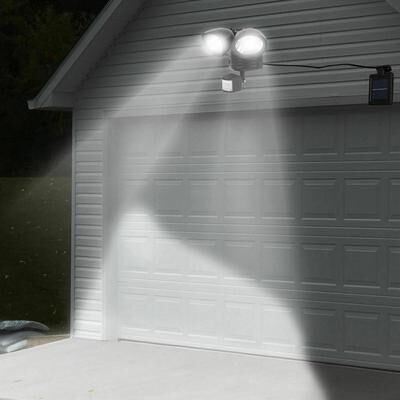
All Categories Goods LED Solar Motion Sensor Outdoor Security Wall Lights Waterproof & Energy Efficient LED Solar Motion Sensor Outdoor Security Wall Lights Waterproof & Energy EfficientIlluminate your home with the power of the sun with the 1 pc of 168 LED Solar Motion Sensor Outdoor Security Wall Lights. Designed for homeowners seeking reliable, ecofriendly lighting solutions, these outdoor lights offer superior security and...44,97 $*Shipping: 0,00 $Secure redirect to the provider



-
What is special about silicate paint?
Silicate paint is special because it is made from natural mineral pigments and potassium silicate binder, making it an environmentally friendly and sustainable option. It forms a chemical bond with the surface it is applied to, creating a durable and long-lasting finish that is resistant to weathering and UV radiation. Silicate paint also allows the substrate to breathe, preventing moisture buildup and mold growth. Additionally, it has excellent color retention and is fire-resistant, making it a popular choice for both interior and exterior applications. **
-
Does anyone have experience with calcium silicate boards?
Yes, I have experience with calcium silicate boards. These boards are known for their high-temperature resistance, durability, and fire resistance, making them a popular choice for applications such as fireproofing, insulation, and as a building material in high-temperature environments. They are also easy to work with, as they can be cut, drilled, and shaped to fit specific requirements. Overall, calcium silicate boards are a versatile and reliable option for various construction and industrial projects. **
-
What are climate boards and calcium silicate boards?
Climate boards are a type of building material that is designed to provide insulation and regulate temperature within a building. They are typically made from natural materials such as wood fibers, cement, and minerals, and are used to improve the energy efficiency of a structure. Calcium silicate boards, on the other hand, are a type of construction material that is known for its high thermal insulation properties and fire resistance. They are made from a combination of cement, sand, and cellulose fibers, and are commonly used in applications where fire safety and thermal insulation are important, such as in industrial buildings and commercial structures. Both climate boards and calcium silicate boards are used to improve the energy efficiency and safety of buildings, and are popular choices for construction projects that prioritize sustainability and environmental responsibility. **
-
How do calcium silicate boards work against mold?
Calcium silicate boards work against mold by providing a surface that is resistant to moisture and mold growth. The boards are made of a combination of cement, sand, and cellulose fibers, which creates a dense and non-porous material that does not provide a suitable environment for mold to grow. Additionally, the alkaline nature of calcium silicate boards inhibits the growth of mold and bacteria. This makes them an ideal choice for areas with high humidity or moisture, such as bathrooms, kitchens, and basements. **

How were the calcium silicate boards painted incorrectly?
The calcium silicate boards were painted incorrectly because the surface was not properly prepared before painting. The boards were not cleaned or primed, which led to poor adhesion of the paint. Additionally, the wrong type of paint was used, leading to peeling and flaking. The paint was not suitable for use on calcium silicate boards, resulting in a subpar finish and the need for repainting. **
Can you simply paint silicate paint over dispersion paint, and can you paint dispersion paint over silicate paint after years?
It is generally not recommended to paint silicate paint over dispersion paint directly, as the two types of paint have different properties and may not adhere well to each other. However, it is possible to paint dispersion paint over silicate paint after several years, as long as the surface is properly prepared by cleaning and sanding to ensure good adhesion. It is always best to consult with a professional painter or follow the manufacturer's instructions for the specific types of paint being used. **
Top-Angebote
Products related to Silicate:
-
All Categories Goods LED Solar Security Light Dual Motion Sensor Outdoor Floodlight With LED Technology For Energy Efficient Illumination LED Solar Security Light Dual Motion Sensor Outdoor Floodlight With LED Technology For Energy Efficient IlluminationBrighten your outdoor space with the 1 pcs of 22 LED Solar Security Light, designed for maximum visibility and security. Powered by ecofriendly solar energy, this motion sensor floodlight activates when movement is detected, offering both...63,97 $*Shipping: 0,00 $Secure redirect to the provider
-
All Categories Goods Waterproof LED Solar Motion Sensor Light For Garden Wall With PIR Technology Waterproof LED Solar Motion Sensor Light For Garden Wall With PIR TechnologyIlluminate your outdoors with the 1 pc of Waterproof Solar Power Lights featuring 468 highintensity LEDs. Ideal for gardens, patios, or any outdoor space, this energyefficient light uses solar power, ensuring a green and sustainable lighting...56,97 $*Shipping: 0,00 $Secure redirect to the provider
-
HARPERCOLLINS Creative Confidence by Tom & David Kelley – Unleashing Your Creative Potential & Innovation MindsetA powerful and inspiring book from the founders of IDEO, the award-winning design firm, on unleashing the creativity that lies within each and every one of us. Too often, companies and individuals assume that creativity and innovation are the domain of the ‘creative types’. But two of the foremost experts in innovation, design and creativity on the planet show us that each and every one of us is creative. In an entertaining and inspiring narrative that draws on countless stories from their work at IDEO, and with many of the world's top companies and design firms, David and Tom Kelley identify the principles and strategies that will allow us to tap into our creative potential in our work lives, and in our personal lives, allow us to think outside the box in terms of how we approach and solve problems. ‘Creative Confidence’ is a book that will help each of us be more productive and successful in our lives and in our careers.4,95 £*Shipping: 1,99 £Secure redirect to the provider
-
All Categories Goods LED Solar Motion Sensor Outdoor Security Wall Lights Waterproof & Energy Efficient LED Solar Motion Sensor Outdoor Security Wall Lights Waterproof & Energy EfficientIlluminate your home with the power of the sun with the 1 pc of 168 LED Solar Motion Sensor Outdoor Security Wall Lights. Designed for homeowners seeking reliable, ecofriendly lighting solutions, these outdoor lights offer superior security and...44,97 $*Shipping: 0,00 $Secure redirect to the provider
-
How does silicate paint flow?
Silicate paint flows by capillary action, which means it is drawn into the porous surface of the substrate. The paint penetrates the surface and bonds with it chemically, creating a durable and long-lasting finish. This flow allows the paint to form a strong bond with the substrate, resulting in a smooth and even coverage. Additionally, the flow of silicate paint helps to create a breathable surface that is resistant to moisture and mold. **
-
How does silicate plaster paint flow?
Silicate plaster paint flows smoothly and evenly due to its thin consistency and high water content. The paint has a self-leveling property, allowing it to spread easily over surfaces without leaving brush marks or streaks. It also has good adhesion properties, ensuring that it adheres well to various substrates. Overall, silicate plaster paint provides a seamless and uniform finish when applied. **
-
What is special about silicate paint?
Silicate paint is special because it is made from natural mineral pigments and potassium silicate binder, making it an environmentally friendly and sustainable option. It forms a chemical bond with the surface it is applied to, creating a durable and long-lasting finish that is resistant to weathering and UV radiation. Silicate paint also allows the substrate to breathe, preventing moisture buildup and mold growth. Additionally, it has excellent color retention and is fire-resistant, making it a popular choice for both interior and exterior applications. **
-
Does anyone have experience with calcium silicate boards?
Yes, I have experience with calcium silicate boards. These boards are known for their high-temperature resistance, durability, and fire resistance, making them a popular choice for applications such as fireproofing, insulation, and as a building material in high-temperature environments. They are also easy to work with, as they can be cut, drilled, and shaped to fit specific requirements. Overall, calcium silicate boards are a versatile and reliable option for various construction and industrial projects. **
Similar search terms for Silicate
-
What are climate boards and calcium silicate boards?
Climate boards are a type of building material that is designed to provide insulation and regulate temperature within a building. They are typically made from natural materials such as wood fibers, cement, and minerals, and are used to improve the energy efficiency of a structure. Calcium silicate boards, on the other hand, are a type of construction material that is known for its high thermal insulation properties and fire resistance. They are made from a combination of cement, sand, and cellulose fibers, and are commonly used in applications where fire safety and thermal insulation are important, such as in industrial buildings and commercial structures. Both climate boards and calcium silicate boards are used to improve the energy efficiency and safety of buildings, and are popular choices for construction projects that prioritize sustainability and environmental responsibility. **
-
How do calcium silicate boards work against mold?
Calcium silicate boards work against mold by providing a surface that is resistant to moisture and mold growth. The boards are made of a combination of cement, sand, and cellulose fibers, which creates a dense and non-porous material that does not provide a suitable environment for mold to grow. Additionally, the alkaline nature of calcium silicate boards inhibits the growth of mold and bacteria. This makes them an ideal choice for areas with high humidity or moisture, such as bathrooms, kitchens, and basements. **
-
How were the calcium silicate boards painted incorrectly?
The calcium silicate boards were painted incorrectly because the surface was not properly prepared before painting. The boards were not cleaned or primed, which led to poor adhesion of the paint. Additionally, the wrong type of paint was used, leading to peeling and flaking. The paint was not suitable for use on calcium silicate boards, resulting in a subpar finish and the need for repainting. **
-
Can you simply paint silicate paint over dispersion paint, and can you paint dispersion paint over silicate paint after years?
It is generally not recommended to paint silicate paint over dispersion paint directly, as the two types of paint have different properties and may not adhere well to each other. However, it is possible to paint dispersion paint over silicate paint after several years, as long as the surface is properly prepared by cleaning and sanding to ensure good adhesion. It is always best to consult with a professional painter or follow the manufacturer's instructions for the specific types of paint being used. **
* All prices are inclusive of VAT and, if applicable, plus shipping costs. The offer information is based on the details provided by the respective shop and is updated through automated processes. Real-time updates do not occur, so deviations can occur in individual cases. ** Note: Parts of this content were created by AI.