Buy cigs.eu ?
We are moving the project
cigs.eu .
Are you interested in purchasing the domain
cigs.eu ?
domain@kv-gmbh.de · 0541-91531010
Buy cigs.eu ?
How do materials scientists develop new materials and substances?
Materials scientists develop new materials and substances through a combination of experimentation, theoretical modeling, and advanced technology. They start by identifying the properties and characteristics they want the new material to have, and then they explore different chemical compositions and structures to achieve those properties. This often involves testing and analyzing the behavior of different materials under various conditions, as well as using computer simulations to predict their performance. Once a promising material is identified, scientists further refine and optimize its properties through iterative testing and modification, ultimately leading to the development of new and improved materials for various applications. **
Why do high-energy substances have weak bonds and low-energy substances have strong bonds?
High-energy substances have weak bonds because they are less stable and more reactive, requiring less energy to break apart. These substances tend to release energy when their bonds are broken, making them high-energy. On the other hand, low-energy substances have strong bonds because they are more stable and less reactive, requiring more energy to break apart. These substances tend to absorb energy when their bonds are broken, making them low-energy. **


Similar search terms for Substances
Top-Angebote
Products related to Substances:
-
Sesderma Reti Age 5 Liposomal Serum Anti-Aging Innovation 30mLA facial serum for wrinkles and signs of ageing. Reduces wrinkles and fine lines. Hydrates and strengthens barrier. Restores youthful radiance. 5-Retinoid System: smooths wrinkles, accelerates renewal, and boosts collagen. Biomimetic Peptides: fill expression lines by stimulating collagen synthesis.54,51 £*Shipping: 5,34 £Secure redirect to the provider
-
All Categories Goods LED Solar Motion Sensor Outdoor Security Wall Lights Waterproof & Energy Efficient LED Solar Motion Sensor Outdoor Security Wall Lights Waterproof & Energy EfficientIlluminate your home with the power of the sun with the 1 pc of 168 LED Solar Motion Sensor Outdoor Security Wall Lights. Designed for homeowners seeking reliable, ecofriendly lighting solutions, these outdoor lights offer superior security and...44,97 $*Shipping: 0,00 $Secure redirect to the provider
-
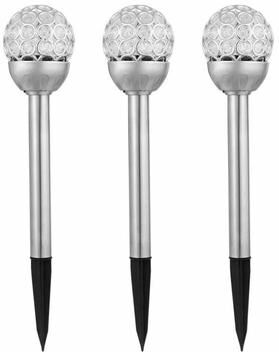
Multicon Wholesale Hub Waterproof Outdoor Solar LED Ground Light, RGB Lamp For Garden, Yard, Path Decor, Energy Saving Solar Waterproof Outdoor Solar LED Ground Light, RGB Lamp For Garden, Yard, Path Decor, Energy Saving SolarBright and Durable Solar Garden Lighting Enhance your outdoor spaces with these 3 Solar LED Ground Light Ball RGB Lamps, designed to provide both beauty and functionality. Crafted from premium stainless steel and ABS plastic, these solar lights are...59,97 $*Shipping: 0,00 $Secure redirect to the provider



-
What are ion substances and molecule substances?
Ion substances are compounds made up of positively and negatively charged ions, such as sodium chloride (NaCl) or calcium carbonate (CaCO3). These substances are held together by electrostatic forces between the ions. Molecule substances, on the other hand, are made up of covalently bonded atoms, such as water (H2O) or carbon dioxide (CO2). These substances are held together by sharing electrons between the atoms. In summary, ion substances are composed of charged ions held together by electrostatic forces, while molecule substances are composed of covalently bonded atoms held together by shared electrons. **
-
To which substances do the elementary substances belong?
Elementary substances belong to the category of pure chemical elements. These are the basic building blocks of matter and cannot be broken down into simpler substances by ordinary chemical reactions. Examples of elementary substances include hydrogen, oxygen, carbon, and iron. Each element is defined by its unique atomic structure and properties. **
-
To which substances do the elemental substances belong?
Elemental substances belong to the group of pure substances, which are made up of only one type of atom. These elemental substances are the building blocks of all matter and cannot be broken down into simpler substances by chemical means. Examples of elemental substances include hydrogen, oxygen, carbon, and gold. **
-
Why do polar substances dissolve in polar substances?
Polar substances dissolve in polar substances because they have similar intermolecular forces. Polar substances, such as water, have a partial positive and partial negative charge, which allows them to form hydrogen bonds with other polar molecules. When a polar substance is added to a polar solvent, the partial charges on the solvent molecules attract and surround the solute molecules, causing them to separate and disperse evenly throughout the solvent. This allows the polar solute to dissolve in the polar solvent, forming a homogeneous mixture. **


Can organic substances split and combine with other substances?
Yes, organic substances can split and combine with other substances through chemical reactions. For example, organic compounds can undergo processes such as hydrolysis, where they split into smaller molecules by reacting with water. Additionally, organic substances can also combine with other substances through synthesis reactions, where new organic compounds are formed by combining smaller molecules. These chemical reactions are fundamental to the behavior and properties of organic substances in living organisms and in the environment. **
Why do substances dissolve in other substances or not?
Substances dissolve in other substances when the intermolecular forces between the solute and solvent are strong enough to overcome the forces holding the solute together. This allows the solute particles to become surrounded by solvent particles and spread out evenly throughout the solvent. On the other hand, substances may not dissolve in a particular solvent if the intermolecular forces between the solute and solvent are not strong enough to overcome the forces holding the solute together, or if the solute and solvent have incompatible polarities. **
Top-Angebote
Products related to Substances:
-
All Categories Goods LED Solar Security Light Dual Motion Sensor Outdoor Floodlight With LED Technology For Energy Efficient Illumination LED Solar Security Light Dual Motion Sensor Outdoor Floodlight With LED Technology For Energy Efficient IlluminationBrighten your outdoor space with the 1 pcs of 22 LED Solar Security Light, designed for maximum visibility and security. Powered by ecofriendly solar energy, this motion sensor floodlight activates when movement is detected, offering both...63,97 $*Shipping: 0,00 $Secure redirect to the provider
-
All Categories Goods Waterproof LED Solar Motion Sensor Light For Garden Wall With PIR Technology Waterproof LED Solar Motion Sensor Light For Garden Wall With PIR TechnologyIlluminate your outdoors with the 1 pc of Waterproof Solar Power Lights featuring 468 highintensity LEDs. Ideal for gardens, patios, or any outdoor space, this energyefficient light uses solar power, ensuring a green and sustainable lighting...56,97 $*Shipping: 0,00 $Secure redirect to the provider
-
Sesderma Reti Age 5 Liposomal Serum Anti-Aging Innovation 30mLA facial serum for wrinkles and signs of ageing. Reduces wrinkles and fine lines. Hydrates and strengthens barrier. Restores youthful radiance. 5-Retinoid System: smooths wrinkles, accelerates renewal, and boosts collagen. Biomimetic Peptides: fill expression lines by stimulating collagen synthesis.54,51 £*Shipping: 5,34 £Secure redirect to the provider
-
All Categories Goods LED Solar Motion Sensor Outdoor Security Wall Lights Waterproof & Energy Efficient LED Solar Motion Sensor Outdoor Security Wall Lights Waterproof & Energy EfficientIlluminate your home with the power of the sun with the 1 pc of 168 LED Solar Motion Sensor Outdoor Security Wall Lights. Designed for homeowners seeking reliable, ecofriendly lighting solutions, these outdoor lights offer superior security and...44,97 $*Shipping: 0,00 $Secure redirect to the provider
-
How do materials scientists develop new materials and substances?
Materials scientists develop new materials and substances through a combination of experimentation, theoretical modeling, and advanced technology. They start by identifying the properties and characteristics they want the new material to have, and then they explore different chemical compositions and structures to achieve those properties. This often involves testing and analyzing the behavior of different materials under various conditions, as well as using computer simulations to predict their performance. Once a promising material is identified, scientists further refine and optimize its properties through iterative testing and modification, ultimately leading to the development of new and improved materials for various applications. **
-
Why do high-energy substances have weak bonds and low-energy substances have strong bonds?
High-energy substances have weak bonds because they are less stable and more reactive, requiring less energy to break apart. These substances tend to release energy when their bonds are broken, making them high-energy. On the other hand, low-energy substances have strong bonds because they are more stable and less reactive, requiring more energy to break apart. These substances tend to absorb energy when their bonds are broken, making them low-energy. **
-
What are ion substances and molecule substances?
Ion substances are compounds made up of positively and negatively charged ions, such as sodium chloride (NaCl) or calcium carbonate (CaCO3). These substances are held together by electrostatic forces between the ions. Molecule substances, on the other hand, are made up of covalently bonded atoms, such as water (H2O) or carbon dioxide (CO2). These substances are held together by sharing electrons between the atoms. In summary, ion substances are composed of charged ions held together by electrostatic forces, while molecule substances are composed of covalently bonded atoms held together by shared electrons. **
-
To which substances do the elementary substances belong?
Elementary substances belong to the category of pure chemical elements. These are the basic building blocks of matter and cannot be broken down into simpler substances by ordinary chemical reactions. Examples of elementary substances include hydrogen, oxygen, carbon, and iron. Each element is defined by its unique atomic structure and properties. **
Similar search terms for Substances
-
Multicon Wholesale Hub Waterproof Outdoor Solar LED Ground Light, RGB Lamp For Garden, Yard, Path Decor, Energy Saving Solar Waterproof Outdoor Solar LED Ground Light, RGB Lamp For Garden, Yard, Path Decor, Energy Saving SolarBright and Durable Solar Garden Lighting Enhance your outdoor spaces with these 3 Solar LED Ground Light Ball RGB Lamps, designed to provide both beauty and functionality. Crafted from premium stainless steel and ABS plastic, these solar lights are...59,97 $*Shipping: 0,00 $Secure redirect to the provider
-
To which substances do the elemental substances belong?
Elemental substances belong to the group of pure substances, which are made up of only one type of atom. These elemental substances are the building blocks of all matter and cannot be broken down into simpler substances by chemical means. Examples of elemental substances include hydrogen, oxygen, carbon, and gold. **
-
Why do polar substances dissolve in polar substances?
Polar substances dissolve in polar substances because they have similar intermolecular forces. Polar substances, such as water, have a partial positive and partial negative charge, which allows them to form hydrogen bonds with other polar molecules. When a polar substance is added to a polar solvent, the partial charges on the solvent molecules attract and surround the solute molecules, causing them to separate and disperse evenly throughout the solvent. This allows the polar solute to dissolve in the polar solvent, forming a homogeneous mixture. **
-
Can organic substances split and combine with other substances?
Yes, organic substances can split and combine with other substances through chemical reactions. For example, organic compounds can undergo processes such as hydrolysis, where they split into smaller molecules by reacting with water. Additionally, organic substances can also combine with other substances through synthesis reactions, where new organic compounds are formed by combining smaller molecules. These chemical reactions are fundamental to the behavior and properties of organic substances in living organisms and in the environment. **
-
Why do substances dissolve in other substances or not?
Substances dissolve in other substances when the intermolecular forces between the solute and solvent are strong enough to overcome the forces holding the solute together. This allows the solute particles to become surrounded by solvent particles and spread out evenly throughout the solvent. On the other hand, substances may not dissolve in a particular solvent if the intermolecular forces between the solute and solvent are not strong enough to overcome the forces holding the solute together, or if the solute and solvent have incompatible polarities. **
* All prices are inclusive of VAT and, if applicable, plus shipping costs. The offer information is based on the details provided by the respective shop and is updated through automated processes. Real-time updates do not occur, so deviations can occur in individual cases. ** Note: Parts of this content were created by AI.