Buy cigs.eu ?
We are moving the project
cigs.eu .
Are you interested in purchasing the domain
cigs.eu ?
domain@kv-gmbh.de · 0541-91531010
Buy cigs.eu ?
Are vacuoles large vesicles?
Yes, vacuoles are large vesicles found in the cells of plants and some other organisms. They are membrane-bound organelles that can vary in size and function. Vacuoles play a role in storing nutrients, maintaining turgor pressure, and regulating the cell's internal environment. Their size and function can vary depending on the type of cell and organism. **
Why do plant cells not have vacuoles?
Plant cells do have vacuoles. Vacuoles are membrane-bound organelles found in plant cells that store water, nutrients, and waste products. They play a crucial role in maintaining turgor pressure, storing nutrients, and regulating cellular processes. Without vacuoles, plant cells would not be able to maintain their structure and function properly. **

Similar search terms for Vacuoles
Top-Angebote
Products related to Vacuoles:
-
Sesderma Reti Age 5 Liposomal Serum Anti-Aging Innovation 30mLA facial serum for wrinkles and signs of ageing. Reduces wrinkles and fine lines. Hydrates and strengthens barrier. Restores youthful radiance. 5-Retinoid System: smooths wrinkles, accelerates renewal, and boosts collagen. Biomimetic Peptides: fill expression lines by stimulating collagen synthesis.41,69 £*Shipping: 5,34 £Secure redirect to the provider
-
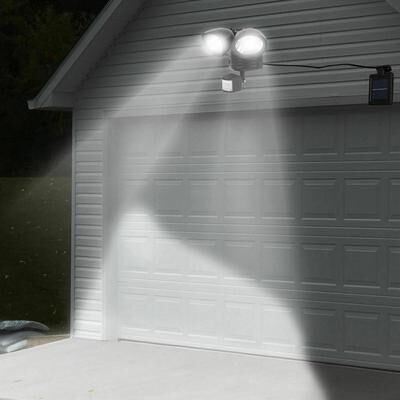
All Categories Goods Waterproof LED Solar Motion Sensor Light For Garden Wall With PIR Technology Waterproof LED Solar Motion Sensor Light For Garden Wall With PIR TechnologyIlluminate your outdoors with the 1 pc of Waterproof Solar Power Lights featuring 468 highintensity LEDs. Ideal for gardens, patios, or any outdoor space, this energyefficient light uses solar power, ensuring a green and sustainable lighting...56,97 $*Shipping: 0,00 $Secure redirect to the provider
-
HARPERCOLLINS Creative Confidence by Tom & David Kelley – Unleashing Your Creative Potential & Innovation MindsetA powerful and inspiring book from the founders of IDEO, the award-winning design firm, on unleashing the creativity that lies within each and every one of us. Too often, companies and individuals assume that creativity and innovation are the domain of the ‘creative types’. But two of the foremost experts in innovation, design and creativity on the planet show us that each and every one of us is creative. In an entertaining and inspiring narrative that draws on countless stories from their work at IDEO, and with many of the world's top companies and design firms, David and Tom Kelley identify the principles and strategies that will allow us to tap into our creative potential in our work lives, and in our personal lives, allow us to think outside the box in terms of how we approach and solve problems. ‘Creative Confidence’ is a book that will help each of us be more productive and successful in our lives and in our careers.4,95 £*Shipping: 1,99 £Secure redirect to the provider



-
Why don't humans or animals have vacuoles?
Humans and animals do not have vacuoles because they do not need them for the same purposes as plant cells. Vacuoles in plant cells serve functions such as storing nutrients, maintaining turgor pressure, and storing waste products. Humans and animals have different organelles and systems that serve similar functions, such as lysosomes for waste disposal and storage organelles for nutrients. Therefore, vacuoles are not necessary for the functioning of human and animal cells. **
-
Why are lysosomes, vacuoles, and microtubules important?
Lysosomes are important because they contain enzymes that break down waste materials and cellular debris, helping to maintain the overall health and function of the cell. Vacuoles are important for storing nutrients, waste products, and maintaining turgor pressure in plant cells. They also play a role in maintaining the cell's shape and structure. Microtubules are important for providing structural support to the cell, as well as serving as tracks for the movement of organelles and vesicles within the cell. They are also involved in cell division and the maintenance of cell shape. Overall, these organelles and structures are essential for the proper functioning and maintenance of the cell. **
-
Can a plant cell have 2 vacuoles?
Yes, a plant cell can have multiple vacuoles. While most plant cells typically have one large central vacuole, some plant cells may have multiple smaller vacuoles. These vacuoles serve various functions such as storing nutrients, maintaining turgor pressure, and storing waste products. The number and size of vacuoles can vary depending on the specific needs of the cell and the stage of development. **
-
Why do animal cells not have vacuoles?
Animal cells do not have vacuoles because they do not require the same level of storage and structural support as plant cells. Vacuoles in plant cells serve to store nutrients, maintain turgor pressure, and aid in the digestion of waste materials. Animal cells have lysosomes and other organelles that perform similar functions, but they do not have a large central vacuole like plant cells. Instead, animal cells have a more diverse range of organelles to meet their specific needs for survival and function. **


Why do paramecia in the sea not have pulsating vacuoles?
Paramecia in the sea do not have pulsating vacuoles because they do not need them to regulate water balance. In a marine environment, the concentration of salt outside the cell is similar to that inside the cell, so there is no need for the paramecia to actively pump out excess water. Pulsating vacuoles are more commonly found in freshwater paramecia, where they help regulate water balance by pumping out excess water that enters the cell due to osmosis. **
What is solar energy and how is it used in solar technology?
Solar energy is the radiant light and heat from the sun that is harnessed using a range of technologies, such as solar panels, to generate electricity or heat water. Solar technology uses photovoltaic cells to convert sunlight into electricity, which can be used to power homes, businesses, and even entire cities. Additionally, solar thermal technology uses the sun's heat to generate steam, which can then be used to drive turbines and produce electricity. Overall, solar energy is a clean and renewable source of power that is increasingly being used to reduce reliance on fossil fuels and combat climate change. **
Top-Angebote
Products related to Vacuoles:
-
All Categories Goods LED Solar Security Light Dual Motion Sensor Outdoor Floodlight With LED Technology For Energy Efficient Illumination LED Solar Security Light Dual Motion Sensor Outdoor Floodlight With LED Technology For Energy Efficient IlluminationBrighten your outdoor space with the 1 pcs of 22 LED Solar Security Light, designed for maximum visibility and security. Powered by ecofriendly solar energy, this motion sensor floodlight activates when movement is detected, offering both...63,97 $*Shipping: 0,00 $Secure redirect to the provider
-
Sesderma Reti Age 5 Liposomal Serum Anti-Aging Innovation 30mLA facial serum for wrinkles and signs of ageing. Reduces wrinkles and fine lines. Hydrates and strengthens barrier. Restores youthful radiance. 5-Retinoid System: smooths wrinkles, accelerates renewal, and boosts collagen. Biomimetic Peptides: fill expression lines by stimulating collagen synthesis.41,69 £*Shipping: 5,34 £Secure redirect to the provider
-
All Categories Goods Waterproof LED Solar Motion Sensor Light For Garden Wall With PIR Technology Waterproof LED Solar Motion Sensor Light For Garden Wall With PIR TechnologyIlluminate your outdoors with the 1 pc of Waterproof Solar Power Lights featuring 468 highintensity LEDs. Ideal for gardens, patios, or any outdoor space, this energyefficient light uses solar power, ensuring a green and sustainable lighting...56,97 $*Shipping: 0,00 $Secure redirect to the provider
-
Are vacuoles large vesicles?
Yes, vacuoles are large vesicles found in the cells of plants and some other organisms. They are membrane-bound organelles that can vary in size and function. Vacuoles play a role in storing nutrients, maintaining turgor pressure, and regulating the cell's internal environment. Their size and function can vary depending on the type of cell and organism. **
-
Why do plant cells not have vacuoles?
Plant cells do have vacuoles. Vacuoles are membrane-bound organelles found in plant cells that store water, nutrients, and waste products. They play a crucial role in maintaining turgor pressure, storing nutrients, and regulating cellular processes. Without vacuoles, plant cells would not be able to maintain their structure and function properly. **
-
Why don't humans or animals have vacuoles?
Humans and animals do not have vacuoles because they do not need them for the same purposes as plant cells. Vacuoles in plant cells serve functions such as storing nutrients, maintaining turgor pressure, and storing waste products. Humans and animals have different organelles and systems that serve similar functions, such as lysosomes for waste disposal and storage organelles for nutrients. Therefore, vacuoles are not necessary for the functioning of human and animal cells. **
-
Why are lysosomes, vacuoles, and microtubules important?
Lysosomes are important because they contain enzymes that break down waste materials and cellular debris, helping to maintain the overall health and function of the cell. Vacuoles are important for storing nutrients, waste products, and maintaining turgor pressure in plant cells. They also play a role in maintaining the cell's shape and structure. Microtubules are important for providing structural support to the cell, as well as serving as tracks for the movement of organelles and vesicles within the cell. They are also involved in cell division and the maintenance of cell shape. Overall, these organelles and structures are essential for the proper functioning and maintenance of the cell. **
Similar search terms for Vacuoles
-
HARPERCOLLINS Creative Confidence by Tom & David Kelley – Unleashing Your Creative Potential & Innovation MindsetA powerful and inspiring book from the founders of IDEO, the award-winning design firm, on unleashing the creativity that lies within each and every one of us. Too often, companies and individuals assume that creativity and innovation are the domain of the ‘creative types’. But two of the foremost experts in innovation, design and creativity on the planet show us that each and every one of us is creative. In an entertaining and inspiring narrative that draws on countless stories from their work at IDEO, and with many of the world's top companies and design firms, David and Tom Kelley identify the principles and strategies that will allow us to tap into our creative potential in our work lives, and in our personal lives, allow us to think outside the box in terms of how we approach and solve problems. ‘Creative Confidence’ is a book that will help each of us be more productive and successful in our lives and in our careers.4,95 £*Shipping: 1,99 £Secure redirect to the provider
-
Can a plant cell have 2 vacuoles?
Yes, a plant cell can have multiple vacuoles. While most plant cells typically have one large central vacuole, some plant cells may have multiple smaller vacuoles. These vacuoles serve various functions such as storing nutrients, maintaining turgor pressure, and storing waste products. The number and size of vacuoles can vary depending on the specific needs of the cell and the stage of development. **
-
Why do animal cells not have vacuoles?
Animal cells do not have vacuoles because they do not require the same level of storage and structural support as plant cells. Vacuoles in plant cells serve to store nutrients, maintain turgor pressure, and aid in the digestion of waste materials. Animal cells have lysosomes and other organelles that perform similar functions, but they do not have a large central vacuole like plant cells. Instead, animal cells have a more diverse range of organelles to meet their specific needs for survival and function. **
-
Why do paramecia in the sea not have pulsating vacuoles?
Paramecia in the sea do not have pulsating vacuoles because they do not need them to regulate water balance. In a marine environment, the concentration of salt outside the cell is similar to that inside the cell, so there is no need for the paramecia to actively pump out excess water. Pulsating vacuoles are more commonly found in freshwater paramecia, where they help regulate water balance by pumping out excess water that enters the cell due to osmosis. **
-
What is solar energy and how is it used in solar technology?
Solar energy is the radiant light and heat from the sun that is harnessed using a range of technologies, such as solar panels, to generate electricity or heat water. Solar technology uses photovoltaic cells to convert sunlight into electricity, which can be used to power homes, businesses, and even entire cities. Additionally, solar thermal technology uses the sun's heat to generate steam, which can then be used to drive turbines and produce electricity. Overall, solar energy is a clean and renewable source of power that is increasingly being used to reduce reliance on fossil fuels and combat climate change. **
* All prices are inclusive of VAT and, if applicable, plus shipping costs. The offer information is based on the details provided by the respective shop and is updated through automated processes. Real-time updates do not occur, so deviations can occur in individual cases. ** Note: Parts of this content were created by AI.