Buy cigs.eu ?
We are moving the project
cigs.eu .
Are you interested in purchasing the domain
cigs.eu ?
domain@kv-gmbh.de · 0541-91531010
Buy cigs.eu ?
"Is 'Ist natürlich ist gleich gut' grammatically correct?"
No, "Ist natürlich ist gleich gut" is not grammatically correct. It seems like there might be a mistake in the sentence. If the intended meaning is "Is natürlich gleich gut," then it would be grammatically correct, meaning "Is natural equally good." However, without more context, it's difficult to determine the exact intended meaning. **
Do you say "Ist es" or "Es ist"?
In German, both "Ist es" and "Es ist" are correct, but they are used in different contexts. "Ist es" is used to form a question, for example "Ist es kalt?" (Is it cold?). On the other hand, "Es ist" is used to make a statement, for example "Es ist schön" (It is beautiful). So, the choice between "Ist es" and "Es ist" depends on whether you are asking a question or making a statement. **

Similar search terms for Ist
Top-Angebote
Products related to Ist:
-
Sesderma Reti Age 5 Liposomal Serum Anti-Aging Innovation 30mLA facial serum for wrinkles and signs of ageing. Reduces wrinkles and fine lines. Hydrates and strengthens barrier. Restores youthful radiance. 5-Retinoid System: smooths wrinkles, accelerates renewal, and boosts collagen. Biomimetic Peptides: fill expression lines by stimulating collagen synthesis.41,69 £*Shipping: 5,34 £Secure redirect to the provider
-
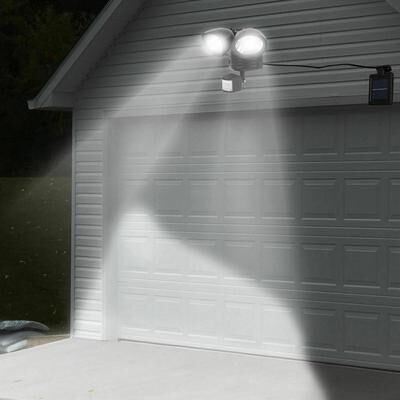
All Categories Goods Waterproof LED Solar Motion Sensor Light For Garden Wall With PIR Technology Waterproof LED Solar Motion Sensor Light For Garden Wall With PIR TechnologyIlluminate your outdoors with the 1 pc of Waterproof Solar Power Lights featuring 468 highintensity LEDs. Ideal for gardens, patios, or any outdoor space, this energyefficient light uses solar power, ensuring a green and sustainable lighting...56,97 $*Shipping: 0,00 $Secure redirect to the provider
-
HARPERCOLLINS Creative Confidence by Tom & David Kelley – Unleashing Your Creative Potential & Innovation MindsetA powerful and inspiring book from the founders of IDEO, the award-winning design firm, on unleashing the creativity that lies within each and every one of us. Too often, companies and individuals assume that creativity and innovation are the domain of the ‘creative types’. But two of the foremost experts in innovation, design and creativity on the planet show us that each and every one of us is creative. In an entertaining and inspiring narrative that draws on countless stories from their work at IDEO, and with many of the world's top companies and design firms, David and Tom Kelley identify the principles and strategies that will allow us to tap into our creative potential in our work lives, and in our personal lives, allow us to think outside the box in terms of how we approach and solve problems. ‘Creative Confidence’ is a book that will help each of us be more productive and successful in our lives and in our careers.4,95 £*Shipping: 1,99 £Secure redirect to the provider



-
Is it "Er ist meiner" or "Er ist meins"?
The correct phrase is "Er ist meiner." In German, possessive pronouns must agree in gender and case with the noun they are referring to. In this case, "Er" is a masculine noun, so the possessive pronoun "meiner" is used in the nominative case to mean "he is mine." "Meins" is a neuter possessive pronoun and would not be correct in this context. **
-
Does one say "Er ist meiner" or "Er ist meins"?
The correct phrase is "Er ist meiner." In German, possessive pronouns must agree in gender, number, and case with the noun they are referring to. In this case, "Er" is a masculine singular noun, so the possessive pronoun "mein" must also be in the masculine singular form, which is "meiner." "Meins" is the neuter singular form of the possessive pronoun "mein" and would not be used in this context. **
-
Does it say "Er ist meiner" or "Er ist meins"?
The correct phrase is "Er ist meiner." This is because "meiner" is the possessive pronoun in the genitive case, used to show possession in relation to a masculine noun (in this case, "er"). "Meins" is the neuter form of the possessive pronoun and would not be used in this context. **
-
What is the difference between "Ist-Analyse" and "Ist-Zustand"?
"Ist-Analyse" refers to the process of analyzing and evaluating the current state of a situation, process, or system. It involves gathering data, identifying strengths and weaknesses, and understanding the current conditions. On the other hand, "Ist-Zustand" simply refers to the current state or condition of a specific situation or system without the analysis component. In other words, "Ist-Analyse" is the process of examining the "Ist-Zustand" to gain insights and make informed decisions. **


What is the difference between "Die Straße ist gesperrt," "Die Straße ist blockiert," and "Die Straße ist verstopft"?
"Die Straße ist gesperrt" means "the road is closed," indicating that access to the road is completely restricted. "Die Straße ist blockiert" means "the road is blocked," indicating that there is an obstruction on the road preventing passage. "Die Straße ist verstopft" means "the road is congested," indicating that there is heavy traffic or a bottleneck causing slow movement. Overall, the main difference lies in the level of restriction or obstruction on the road. **
Is it "Die Tür ist auf" or "Die Tür ist offen"?
Both "Die Tür ist auf" and "Die Tür ist offen" are correct in German. "Die Tür ist auf" specifically means "The door is open," while "Die Tür ist offen" also means "The door is open." Both phrases can be used interchangeably to convey the same meaning. **
Top-Angebote
Products related to Ist:
-
All Categories Goods LED Solar Security Light Dual Motion Sensor Outdoor Floodlight With LED Technology For Energy Efficient Illumination LED Solar Security Light Dual Motion Sensor Outdoor Floodlight With LED Technology For Energy Efficient IlluminationBrighten your outdoor space with the 1 pcs of 22 LED Solar Security Light, designed for maximum visibility and security. Powered by ecofriendly solar energy, this motion sensor floodlight activates when movement is detected, offering both...63,97 $*Shipping: 0,00 $Secure redirect to the provider
-
Sesderma Reti Age 5 Liposomal Serum Anti-Aging Innovation 30mLA facial serum for wrinkles and signs of ageing. Reduces wrinkles and fine lines. Hydrates and strengthens barrier. Restores youthful radiance. 5-Retinoid System: smooths wrinkles, accelerates renewal, and boosts collagen. Biomimetic Peptides: fill expression lines by stimulating collagen synthesis.41,69 £*Shipping: 5,34 £Secure redirect to the provider
-
All Categories Goods Waterproof LED Solar Motion Sensor Light For Garden Wall With PIR Technology Waterproof LED Solar Motion Sensor Light For Garden Wall With PIR TechnologyIlluminate your outdoors with the 1 pc of Waterproof Solar Power Lights featuring 468 highintensity LEDs. Ideal for gardens, patios, or any outdoor space, this energyefficient light uses solar power, ensuring a green and sustainable lighting...56,97 $*Shipping: 0,00 $Secure redirect to the provider
-
"Is 'Ist natürlich ist gleich gut' grammatically correct?"
No, "Ist natürlich ist gleich gut" is not grammatically correct. It seems like there might be a mistake in the sentence. If the intended meaning is "Is natürlich gleich gut," then it would be grammatically correct, meaning "Is natural equally good." However, without more context, it's difficult to determine the exact intended meaning. **
-
Do you say "Ist es" or "Es ist"?
In German, both "Ist es" and "Es ist" are correct, but they are used in different contexts. "Ist es" is used to form a question, for example "Ist es kalt?" (Is it cold?). On the other hand, "Es ist" is used to make a statement, for example "Es ist schön" (It is beautiful). So, the choice between "Ist es" and "Es ist" depends on whether you are asking a question or making a statement. **
-
Is it "Er ist meiner" or "Er ist meins"?
The correct phrase is "Er ist meiner." In German, possessive pronouns must agree in gender and case with the noun they are referring to. In this case, "Er" is a masculine noun, so the possessive pronoun "meiner" is used in the nominative case to mean "he is mine." "Meins" is a neuter possessive pronoun and would not be correct in this context. **
-
Does one say "Er ist meiner" or "Er ist meins"?
The correct phrase is "Er ist meiner." In German, possessive pronouns must agree in gender, number, and case with the noun they are referring to. In this case, "Er" is a masculine singular noun, so the possessive pronoun "mein" must also be in the masculine singular form, which is "meiner." "Meins" is the neuter singular form of the possessive pronoun "mein" and would not be used in this context. **
Similar search terms for Ist
-
HARPERCOLLINS Creative Confidence by Tom & David Kelley – Unleashing Your Creative Potential & Innovation MindsetA powerful and inspiring book from the founders of IDEO, the award-winning design firm, on unleashing the creativity that lies within each and every one of us. Too often, companies and individuals assume that creativity and innovation are the domain of the ‘creative types’. But two of the foremost experts in innovation, design and creativity on the planet show us that each and every one of us is creative. In an entertaining and inspiring narrative that draws on countless stories from their work at IDEO, and with many of the world's top companies and design firms, David and Tom Kelley identify the principles and strategies that will allow us to tap into our creative potential in our work lives, and in our personal lives, allow us to think outside the box in terms of how we approach and solve problems. ‘Creative Confidence’ is a book that will help each of us be more productive and successful in our lives and in our careers.4,95 £*Shipping: 1,99 £Secure redirect to the provider
-
Does it say "Er ist meiner" or "Er ist meins"?
The correct phrase is "Er ist meiner." This is because "meiner" is the possessive pronoun in the genitive case, used to show possession in relation to a masculine noun (in this case, "er"). "Meins" is the neuter form of the possessive pronoun and would not be used in this context. **
-
What is the difference between "Ist-Analyse" and "Ist-Zustand"?
"Ist-Analyse" refers to the process of analyzing and evaluating the current state of a situation, process, or system. It involves gathering data, identifying strengths and weaknesses, and understanding the current conditions. On the other hand, "Ist-Zustand" simply refers to the current state or condition of a specific situation or system without the analysis component. In other words, "Ist-Analyse" is the process of examining the "Ist-Zustand" to gain insights and make informed decisions. **
-
What is the difference between "Die Straße ist gesperrt," "Die Straße ist blockiert," and "Die Straße ist verstopft"?
"Die Straße ist gesperrt" means "the road is closed," indicating that access to the road is completely restricted. "Die Straße ist blockiert" means "the road is blocked," indicating that there is an obstruction on the road preventing passage. "Die Straße ist verstopft" means "the road is congested," indicating that there is heavy traffic or a bottleneck causing slow movement. Overall, the main difference lies in the level of restriction or obstruction on the road. **
-
Is it "Die Tür ist auf" or "Die Tür ist offen"?
Both "Die Tür ist auf" and "Die Tür ist offen" are correct in German. "Die Tür ist auf" specifically means "The door is open," while "Die Tür ist offen" also means "The door is open." Both phrases can be used interchangeably to convey the same meaning. **
* All prices are inclusive of VAT and, if applicable, plus shipping costs. The offer information is based on the details provided by the respective shop and is updated through automated processes. Real-time updates do not occur, so deviations can occur in individual cases. ** Note: Parts of this content were created by AI.