Buy cigs.eu ?
We are moving the project
cigs.eu .
Are you interested in purchasing the domain
cigs.eu ?
domain@kv-gmbh.de · 0541-91531010
Buy cigs.eu ?
Is aluminium magnetic?
No, aluminium is not magnetic. It is considered a non-magnetic metal, meaning it does not have magnetic properties like iron or nickel. This is because the electrons in aluminium are arranged in a way that does not create a magnetic field. **
Which raw materials are infinite?
Renewable resources such as sunlight, wind, and water are considered infinite raw materials as they are naturally replenished. These resources can be harnessed to generate energy without being depleted. Additionally, materials like air and sand are also considered infinite as they are abundant in nature and can be used without running out. **


Similar search terms for BIDKhome-Raw-Brass-Aluminium
Top-Angebote
Products related to BIDKhome-Raw-Brass-Aluminium:
-
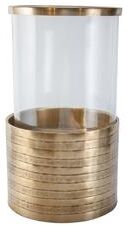
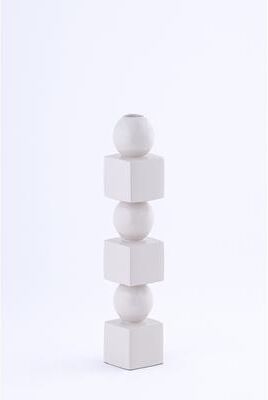
BIDKhome Lg. Alum. Novo Candlestick Raw Nickel - RAW NICKELDiscover a touch of elegance with our Large Aluminum Novo Candlestick in Raw Nickel. This offering from BIDKhome is a testament to our commitment to bringing the best of traditional and contemporary products to your home.115,10 $*Shipping: 0,00 $Secure redirect to the provider
-
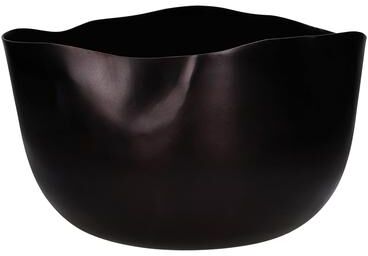
BIDKhome Gravity Champagne Cooler Aluminium Bronze LgWith its fluid shape and solid presence, the Gravity champagne cooler brings balance between function and sculpture. Made from upcycled aluminium, each piece gains a new life in a softly shimmering, durable finish.250,40 $*Shipping: 0,00 $Secure redirect to the provider

-
Are raw materials only bundled?
No, raw materials are not only bundled. While bundling raw materials is a common practice for transportation and storage, raw materials can also be stored and transported in other forms such as loose, liquid, or powdered. The form in which raw materials are handled depends on the specific material and its properties, as well as the requirements of the production process. For example, liquids like oil or chemicals may be stored in tanks, while loose materials like grains or ores may be stored in silos or bins. **
-
What are raw materials, auxiliary materials, or operating materials?
Raw materials are the basic materials used in the production of goods. They are typically natural resources such as wood, metal, or agricultural products. Auxiliary materials are used to support the production process, such as lubricants, cleaning agents, or packaging materials. Operating materials are the supplies and tools used in the day-to-day operations of a business, such as office supplies, maintenance tools, or safety equipment. These materials are essential for the production and operation of goods and services. **
-
What are raw materials and alternatives?
Raw materials are the basic materials used in the production of goods and products. They are typically natural resources that are harvested or extracted from the earth. Alternatives to raw materials are substitutes that can be used in place of traditional raw materials, often to reduce costs, improve sustainability, or address supply chain issues. These alternatives can include recycled materials, bio-based materials, or synthetic materials that mimic the properties of natural resources. **
-
Is there a difference between materials and raw materials?
Yes, there is a difference between materials and raw materials. Raw materials are the basic materials that are used to make a product, such as wood, metal, or cotton. Materials, on the other hand, are the finished products that are used to create something else, such as plastic, glass, or fabric. In other words, raw materials are the starting point in the production process, while materials are the end result that can be used in various applications. **

What is brass?
Brass is a metal alloy made primarily of copper and zinc. It is known for its gold-like appearance and is commonly used in musical instruments, decorative items, and plumbing fixtures. Brass is valued for its durability, malleability, and resistance to corrosion, making it a popular choice for a wide range of applications. **
'Copper or brass?'
The choice between copper and brass depends on the specific application and requirements. Copper is known for its excellent conductivity and corrosion resistance, making it suitable for electrical wiring and plumbing. On the other hand, brass is a copper alloy that contains zinc, providing it with added strength and machinability. Brass is often used for decorative purposes, as well as in applications where a combination of strength and corrosion resistance is needed. Ultimately, the decision between copper and brass will depend on the specific properties and performance needed for the given application. **
Top-Angebote
Products related to BIDKhome-Raw-Brass-Aluminium:
-
BIDKhome "Raw Brass Aluminium Scroll Tray L 13.8"" & W 9.8"""This Aluminium Tray in Raw Brass Antique finish exudes timeless elegance and charm. Crafted with a vintage-inspired look, it features a warm golden hue and subtle aged detailing. Perfect for serving, displaying décor, or as a statement centerpiece.106,50 $*Shipping: 0,00 $Secure redirect to the provider
-
BIDKhome "Aluminium Scroll Tray Raw Nickel L 24.8"" & W 15"""This Aluminium Tray in a Raw Nickel finish offers a sleek and contemporary appeal. Crafted with a subtle metallic sheen, it showcases a perfect balance of modern style and industrial charm. Ideal for serving, organizing, or displaying decorative...227,70 $*Shipping: 0,00 $Secure redirect to the provider
-
BIDKhome Lg. Alum. Novo Candlestick Raw Nickel - RAW NICKELDiscover a touch of elegance with our Large Aluminum Novo Candlestick in Raw Nickel. This offering from BIDKhome is a testament to our commitment to bringing the best of traditional and contemporary products to your home.115,10 $*Shipping: 0,00 $Secure redirect to the provider
-
Is aluminium magnetic?
No, aluminium is not magnetic. It is considered a non-magnetic metal, meaning it does not have magnetic properties like iron or nickel. This is because the electrons in aluminium are arranged in a way that does not create a magnetic field. **
-
Which raw materials are infinite?
Renewable resources such as sunlight, wind, and water are considered infinite raw materials as they are naturally replenished. These resources can be harnessed to generate energy without being depleted. Additionally, materials like air and sand are also considered infinite as they are abundant in nature and can be used without running out. **
-
Are raw materials only bundled?
No, raw materials are not only bundled. While bundling raw materials is a common practice for transportation and storage, raw materials can also be stored and transported in other forms such as loose, liquid, or powdered. The form in which raw materials are handled depends on the specific material and its properties, as well as the requirements of the production process. For example, liquids like oil or chemicals may be stored in tanks, while loose materials like grains or ores may be stored in silos or bins. **
-
What are raw materials, auxiliary materials, or operating materials?
Raw materials are the basic materials used in the production of goods. They are typically natural resources such as wood, metal, or agricultural products. Auxiliary materials are used to support the production process, such as lubricants, cleaning agents, or packaging materials. Operating materials are the supplies and tools used in the day-to-day operations of a business, such as office supplies, maintenance tools, or safety equipment. These materials are essential for the production and operation of goods and services. **
Similar search terms for BIDKhome-Raw-Brass-Aluminium
-
BIDKhome Gravity Champagne Cooler Aluminium Bronze LgWith its fluid shape and solid presence, the Gravity champagne cooler brings balance between function and sculpture. Made from upcycled aluminium, each piece gains a new life in a softly shimmering, durable finish.250,40 $*Shipping: 0,00 $Secure redirect to the provider
-
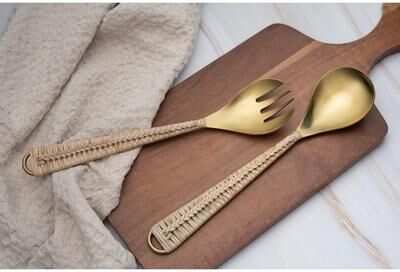
BIDKhome Brass Salad Servers with Gift BoxThe Brass Salad Servers with Gift Box offer a perfect blend of style and functionality for your dining table. Crafted from high-quality brass, these servers feature an elegant, timeless design that adds sophistication to any salad presentation.73,30 $*Shipping: 0,00 $Secure redirect to the provider
-
BIDKhome "Aluminium Scroll Tray Raw Brass Antique L 24.8"" & W 15"""This Aluminium Tray in Raw Brass Antique finish exudes timeless elegance and charm. Crafted with a vintage-inspired look, it features a warm golden hue and subtle aged detailing. Perfect for serving, displaying décor, or as a statement centerpiece.227,70 $*Shipping: 0,00 $Secure redirect to the provider
-
What are raw materials and alternatives?
Raw materials are the basic materials used in the production of goods and products. They are typically natural resources that are harvested or extracted from the earth. Alternatives to raw materials are substitutes that can be used in place of traditional raw materials, often to reduce costs, improve sustainability, or address supply chain issues. These alternatives can include recycled materials, bio-based materials, or synthetic materials that mimic the properties of natural resources. **
-
Is there a difference between materials and raw materials?
Yes, there is a difference between materials and raw materials. Raw materials are the basic materials that are used to make a product, such as wood, metal, or cotton. Materials, on the other hand, are the finished products that are used to create something else, such as plastic, glass, or fabric. In other words, raw materials are the starting point in the production process, while materials are the end result that can be used in various applications. **
-
What is brass?
Brass is a metal alloy made primarily of copper and zinc. It is known for its gold-like appearance and is commonly used in musical instruments, decorative items, and plumbing fixtures. Brass is valued for its durability, malleability, and resistance to corrosion, making it a popular choice for a wide range of applications. **
-
'Copper or brass?'
The choice between copper and brass depends on the specific application and requirements. Copper is known for its excellent conductivity and corrosion resistance, making it suitable for electrical wiring and plumbing. On the other hand, brass is a copper alloy that contains zinc, providing it with added strength and machinability. Brass is often used for decorative purposes, as well as in applications where a combination of strength and corrosion resistance is needed. Ultimately, the decision between copper and brass will depend on the specific properties and performance needed for the given application. **
* All prices are inclusive of VAT and, if applicable, plus shipping costs. The offer information is based on the details provided by the respective shop and is updated through automated processes. Real-time updates do not occur, so deviations can occur in individual cases. ** Note: Parts of this content were created by AI.