Buy cigs.eu ?
We are moving the project
cigs.eu .
Are you interested in purchasing the domain
cigs.eu ?
domain@kv-gmbh.de · 0541-91531010
Buy cigs.eu ?
How can one understand the photoresistor?
A photoresistor is a type of resistor that changes its resistance based on the amount of light it is exposed to. When light hits the photoresistor, the material inside it undergoes a change in conductivity, which in turn affects the resistance of the component. This change in resistance can be measured and used to control various electronic circuits. To understand the photoresistor, one must consider its behavior in response to light and how it can be integrated into electronic systems to sense and react to changes in light levels. Additionally, understanding the relationship between light intensity and resistance in the photoresistor is key to effectively using it in electronic designs. **
How does a photoresistor (LDR) work exactly?
A photoresistor, or light-dependent resistor (LDR), works by changing its resistance in response to the intensity of light it is exposed to. When light falls on the LDR, the photons in the light excite the electrons in the semiconductor material of the LDR, causing them to jump to a higher energy level and reducing the resistance of the material. This change in resistance is directly proportional to the intensity of the light, so the LDR can be used to measure and control the amount of light in a circuit. When the light is removed, the electrons return to their original energy level, and the resistance of the LDR increases again. **

Similar search terms for Photoresistor
Top-Angebote
Products related to Photoresistor:
-
Sesderma Reti Age 5 Liposomal Serum Anti-Aging Innovation 30mLA facial serum for wrinkles and signs of ageing. Reduces wrinkles and fine lines. Hydrates and strengthens barrier. Restores youthful radiance. 5-Retinoid System: smooths wrinkles, accelerates renewal, and boosts collagen. Biomimetic Peptides: fill expression lines by stimulating collagen synthesis.41,69 £*Shipping: 5,34 £Secure redirect to the provider
-
All Categories Goods Waterproof LED Solar Motion Sensor Light For Garden Wall With PIR Technology Waterproof LED Solar Motion Sensor Light For Garden Wall With PIR TechnologyIlluminate your outdoors with the 1 pc of Waterproof Solar Power Lights featuring 468 highintensity LEDs. Ideal for gardens, patios, or any outdoor space, this energyefficient light uses solar power, ensuring a green and sustainable lighting...56,97 $*Shipping: 0,00 $Secure redirect to the provider
-
HARPERCOLLINS Creative Confidence by Tom & David Kelley – Unleashing Your Creative Potential & Innovation MindsetA powerful and inspiring book from the founders of IDEO, the award-winning design firm, on unleashing the creativity that lies within each and every one of us. Too often, companies and individuals assume that creativity and innovation are the domain of the ‘creative types’. But two of the foremost experts in innovation, design and creativity on the planet show us that each and every one of us is creative. In an entertaining and inspiring narrative that draws on countless stories from their work at IDEO, and with many of the world's top companies and design firms, David and Tom Kelley identify the principles and strategies that will allow us to tap into our creative potential in our work lives, and in our personal lives, allow us to think outside the box in terms of how we approach and solve problems. ‘Creative Confidence’ is a book that will help each of us be more productive and successful in our lives and in our careers.4,95 £*Shipping: 1,99 £Secure redirect to the provider




-
Does the photoresistor in Tinkercad react to an LED?
Yes, the photoresistor in Tinkercad reacts to an LED. When the LED is turned on, it emits light which is detected by the photoresistor. The resistance of the photoresistor decreases in response to the light, causing a change in the circuit's behavior. This interaction can be used to create projects that respond to changes in light levels. **
-
What is a light sensor and how does a photoresistor work?
A light sensor is a device that detects the presence or absence of light. A photoresistor, also known as a light-dependent resistor (LDR), is a type of light sensor that changes its resistance based on the amount of light it is exposed to. When light falls on the photoresistor, its resistance decreases, allowing more current to flow through it. Conversely, in the absence of light, the resistance of the photoresistor increases, reducing the current flow. This change in resistance can be used to measure the intensity of light in a given environment. **
-
What are the different characteristics between a photodiode and a photoresistor?
Photodiodes are semiconductor devices that generate a current when exposed to light, offering a fast response time and high sensitivity to light intensity changes. They are more expensive and complex to use compared to photoresistors. Photoresistors, on the other hand, are passive components that change resistance based on the amount of light they are exposed to, providing a simple and cost-effective solution for light detection. They have a slower response time and are less sensitive to light compared to photodiodes. **
-
What is the difference between a photodiode, a phototransistor, and a photoresistor?
A photodiode is a semiconductor device that converts light into an electrical current. It operates in reverse bias mode and has a fast response time. A phototransistor is a type of transistor that is sensitive to light and amplifies the current flowing through it when exposed to light. It operates in active mode and is more sensitive than a photodiode. A photoresistor, on the other hand, is a passive component whose resistance changes in response to light intensity. It does not amplify the current like a phototransistor and is commonly used in light sensing applications. **


What is solar energy and how is it used in solar technology?
Solar energy is the radiant light and heat from the sun that is harnessed using a range of technologies, such as solar panels, to generate electricity or heat water. Solar technology uses photovoltaic cells to convert sunlight into electricity, which can be used to power homes, businesses, and even entire cities. Additionally, solar thermal technology uses the sun's heat to generate steam, which can then be used to drive turbines and produce electricity. Overall, solar energy is a clean and renewable source of power that is increasingly being used to reduce reliance on fossil fuels and combat climate change. **
What should I consider when it comes to Solar Energy? Solar panels, batteries, and inverters.
When considering solar energy, it is important to assess your energy needs and consumption to determine the size and number of solar panels required. Additionally, you should consider the type and capacity of batteries needed to store excess energy generated by the solar panels for use during periods of low sunlight. Lastly, choosing the right inverter is crucial as it converts the direct current (DC) electricity produced by the solar panels into alternating current (AC) electricity that can be used to power your home. It is essential to ensure that all components are compatible and properly sized for optimal performance and efficiency. **
Top-Angebote
Products related to Photoresistor:
-
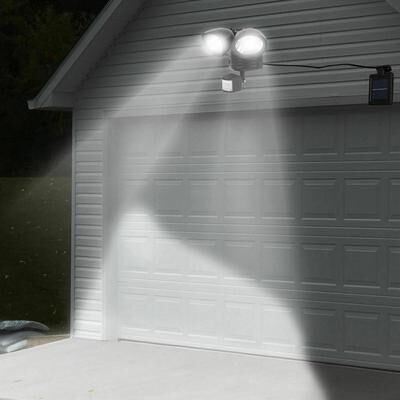
All Categories Goods LED Solar Security Light Dual Motion Sensor Outdoor Floodlight With LED Technology For Energy Efficient Illumination LED Solar Security Light Dual Motion Sensor Outdoor Floodlight With LED Technology For Energy Efficient IlluminationBrighten your outdoor space with the 1 pcs of 22 LED Solar Security Light, designed for maximum visibility and security. Powered by ecofriendly solar energy, this motion sensor floodlight activates when movement is detected, offering both...63,97 $*Shipping: 0,00 $Secure redirect to the provider
-
Sesderma Reti Age 5 Liposomal Serum Anti-Aging Innovation 30mLA facial serum for wrinkles and signs of ageing. Reduces wrinkles and fine lines. Hydrates and strengthens barrier. Restores youthful radiance. 5-Retinoid System: smooths wrinkles, accelerates renewal, and boosts collagen. Biomimetic Peptides: fill expression lines by stimulating collagen synthesis.41,69 £*Shipping: 5,34 £Secure redirect to the provider
-
All Categories Goods Waterproof LED Solar Motion Sensor Light For Garden Wall With PIR Technology Waterproof LED Solar Motion Sensor Light For Garden Wall With PIR TechnologyIlluminate your outdoors with the 1 pc of Waterproof Solar Power Lights featuring 468 highintensity LEDs. Ideal for gardens, patios, or any outdoor space, this energyefficient light uses solar power, ensuring a green and sustainable lighting...56,97 $*Shipping: 0,00 $Secure redirect to the provider
-
How can one understand the photoresistor?
A photoresistor is a type of resistor that changes its resistance based on the amount of light it is exposed to. When light hits the photoresistor, the material inside it undergoes a change in conductivity, which in turn affects the resistance of the component. This change in resistance can be measured and used to control various electronic circuits. To understand the photoresistor, one must consider its behavior in response to light and how it can be integrated into electronic systems to sense and react to changes in light levels. Additionally, understanding the relationship between light intensity and resistance in the photoresistor is key to effectively using it in electronic designs. **
-
How does a photoresistor (LDR) work exactly?
A photoresistor, or light-dependent resistor (LDR), works by changing its resistance in response to the intensity of light it is exposed to. When light falls on the LDR, the photons in the light excite the electrons in the semiconductor material of the LDR, causing them to jump to a higher energy level and reducing the resistance of the material. This change in resistance is directly proportional to the intensity of the light, so the LDR can be used to measure and control the amount of light in a circuit. When the light is removed, the electrons return to their original energy level, and the resistance of the LDR increases again. **
-
Does the photoresistor in Tinkercad react to an LED?
Yes, the photoresistor in Tinkercad reacts to an LED. When the LED is turned on, it emits light which is detected by the photoresistor. The resistance of the photoresistor decreases in response to the light, causing a change in the circuit's behavior. This interaction can be used to create projects that respond to changes in light levels. **
-
What is a light sensor and how does a photoresistor work?
A light sensor is a device that detects the presence or absence of light. A photoresistor, also known as a light-dependent resistor (LDR), is a type of light sensor that changes its resistance based on the amount of light it is exposed to. When light falls on the photoresistor, its resistance decreases, allowing more current to flow through it. Conversely, in the absence of light, the resistance of the photoresistor increases, reducing the current flow. This change in resistance can be used to measure the intensity of light in a given environment. **
Similar search terms for Photoresistor
-
HARPERCOLLINS Creative Confidence by Tom & David Kelley – Unleashing Your Creative Potential & Innovation MindsetA powerful and inspiring book from the founders of IDEO, the award-winning design firm, on unleashing the creativity that lies within each and every one of us. Too often, companies and individuals assume that creativity and innovation are the domain of the ‘creative types’. But two of the foremost experts in innovation, design and creativity on the planet show us that each and every one of us is creative. In an entertaining and inspiring narrative that draws on countless stories from their work at IDEO, and with many of the world's top companies and design firms, David and Tom Kelley identify the principles and strategies that will allow us to tap into our creative potential in our work lives, and in our personal lives, allow us to think outside the box in terms of how we approach and solve problems. ‘Creative Confidence’ is a book that will help each of us be more productive and successful in our lives and in our careers.4,95 £*Shipping: 1,99 £Secure redirect to the provider
-
What are the different characteristics between a photodiode and a photoresistor?
Photodiodes are semiconductor devices that generate a current when exposed to light, offering a fast response time and high sensitivity to light intensity changes. They are more expensive and complex to use compared to photoresistors. Photoresistors, on the other hand, are passive components that change resistance based on the amount of light they are exposed to, providing a simple and cost-effective solution for light detection. They have a slower response time and are less sensitive to light compared to photodiodes. **
-
What is the difference between a photodiode, a phototransistor, and a photoresistor?
A photodiode is a semiconductor device that converts light into an electrical current. It operates in reverse bias mode and has a fast response time. A phototransistor is a type of transistor that is sensitive to light and amplifies the current flowing through it when exposed to light. It operates in active mode and is more sensitive than a photodiode. A photoresistor, on the other hand, is a passive component whose resistance changes in response to light intensity. It does not amplify the current like a phototransistor and is commonly used in light sensing applications. **
-
What is solar energy and how is it used in solar technology?
Solar energy is the radiant light and heat from the sun that is harnessed using a range of technologies, such as solar panels, to generate electricity or heat water. Solar technology uses photovoltaic cells to convert sunlight into electricity, which can be used to power homes, businesses, and even entire cities. Additionally, solar thermal technology uses the sun's heat to generate steam, which can then be used to drive turbines and produce electricity. Overall, solar energy is a clean and renewable source of power that is increasingly being used to reduce reliance on fossil fuels and combat climate change. **
-
What should I consider when it comes to Solar Energy? Solar panels, batteries, and inverters.
When considering solar energy, it is important to assess your energy needs and consumption to determine the size and number of solar panels required. Additionally, you should consider the type and capacity of batteries needed to store excess energy generated by the solar panels for use during periods of low sunlight. Lastly, choosing the right inverter is crucial as it converts the direct current (DC) electricity produced by the solar panels into alternating current (AC) electricity that can be used to power your home. It is essential to ensure that all components are compatible and properly sized for optimal performance and efficiency. **
* All prices are inclusive of VAT and, if applicable, plus shipping costs. The offer information is based on the details provided by the respective shop and is updated through automated processes. Real-time updates do not occur, so deviations can occur in individual cases. ** Note: Parts of this content were created by AI.