Buy cigs.eu ?
We are moving the project
cigs.eu .
Are you interested in purchasing the domain
cigs.eu ?
domain@kv-gmbh.de · 0541-91531010
Buy cigs.eu ?
How does a photodiode work?
A photodiode is a semiconductor device that converts light into an electrical current. When light strikes the photodiode, it generates electron-hole pairs in the semiconductor material. These pairs create a flow of current, which can be measured as a voltage output. The amount of current produced is directly proportional to the intensity of the light hitting the photodiode. This makes photodiodes useful for applications such as light detection, solar cells, and optical communications. **
How is a photodiode connected?
A photodiode is typically connected in reverse bias configuration, meaning the anode is connected to the negative terminal of the power supply and the cathode is connected to the positive terminal. This allows the photodiode to operate in the photoconductive mode, where it generates a current in response to light exposure. Additionally, a resistor is often connected in series with the photodiode to limit the current and prevent damage to the diode. Finally, the output of the photodiode can be connected to a load or measurement circuit to utilize the generated current. **

Similar search terms for Photodiode
Top-Angebote
Products related to Photodiode:
-
Sesderma Reti Age 5 Liposomal Serum Anti-Aging Innovation 30mLA facial serum for wrinkles and signs of ageing. Reduces wrinkles and fine lines. Hydrates and strengthens barrier. Restores youthful radiance. 5-Retinoid System: smooths wrinkles, accelerates renewal, and boosts collagen. Biomimetic Peptides: fill expression lines by stimulating collagen synthesis.41,69 £*Shipping: 5,34 £Secure redirect to the provider
-
All Categories Goods Waterproof LED Solar Motion Sensor Light For Garden Wall With PIR Technology Waterproof LED Solar Motion Sensor Light For Garden Wall With PIR TechnologyIlluminate your outdoors with the 1 pc of Waterproof Solar Power Lights featuring 468 highintensity LEDs. Ideal for gardens, patios, or any outdoor space, this energyefficient light uses solar power, ensuring a green and sustainable lighting...56,97 $*Shipping: 0,00 $Secure redirect to the provider
-
HARPERCOLLINS Creative Confidence by Tom & David Kelley – Unleashing Your Creative Potential & Innovation MindsetA powerful and inspiring book from the founders of IDEO, the award-winning design firm, on unleashing the creativity that lies within each and every one of us. Too often, companies and individuals assume that creativity and innovation are the domain of the ‘creative types’. But two of the foremost experts in innovation, design and creativity on the planet show us that each and every one of us is creative. In an entertaining and inspiring narrative that draws on countless stories from their work at IDEO, and with many of the world's top companies and design firms, David and Tom Kelley identify the principles and strategies that will allow us to tap into our creative potential in our work lives, and in our personal lives, allow us to think outside the box in terms of how we approach and solve problems. ‘Creative Confidence’ is a book that will help each of us be more productive and successful in our lives and in our careers.4,95 £*Shipping: 1,99 £Secure redirect to the provider




-
What components does a photodiode need in electrical engineering?
In electrical engineering, a photodiode requires several components to function effectively. These include a semiconductor material, such as silicon, which is sensitive to light and capable of generating an electric current when exposed to photons. Additionally, a photodiode needs a p-n junction to create a depletion region, which allows for the separation of electron-hole pairs when light is absorbed. Furthermore, a photodiode typically requires a reverse bias voltage to create the necessary electric field for efficient operation. Finally, a photodiode may also need a protective housing to shield it from external factors such as temperature, humidity, and mechanical stress. **
-
What is the difference between a diode and a photodiode?
A diode is a two-terminal electronic component that allows current to flow in one direction only. It is commonly used in electronic circuits to control the direction of current flow. On the other hand, a photodiode is a type of diode that is designed to convert light into electrical current. Photodiodes are used in various applications such as light sensors, solar cells, and optical communications. The key difference between a diode and a photodiode is that a photodiode is specifically designed to detect and convert light into electrical current, whereas a diode is a more general electronic component used for controlling current flow. **
-
What is the difference between a photoelement and a photodiode?
A photoelement is a general term used to describe any device that converts light into an electrical signal, including photodiodes. A photodiode is a specific type of photoelement that operates in reverse bias, meaning it only allows current to flow when light is present. Photodiodes are commonly used in applications such as light detection, solar cells, and optical communication systems. In contrast, a photoelement can refer to a broader range of light-sensitive devices, including phototransistors, photoresistors, and photovoltaic cells. **
-
What are the different characteristics between a photodiode and a photoresistor?
Photodiodes are semiconductor devices that generate a current when exposed to light, offering a fast response time and high sensitivity to light intensity changes. They are more expensive and complex to use compared to photoresistors. Photoresistors, on the other hand, are passive components that change resistance based on the amount of light they are exposed to, providing a simple and cost-effective solution for light detection. They have a slower response time and are less sensitive to light compared to photodiodes. **


How can the light sensor (photodiode) be read out analog-digital?
The light sensor (photodiode) can be read out analog-digital by using an analog-to-digital converter (ADC). The photodiode generates a current or voltage signal in response to the incident light, which is then converted into a digital value by the ADC. The ADC samples the analog signal at regular intervals and quantizes it into discrete digital values, which can then be processed and analyzed by a microcontroller or computer. This digital output can be used to measure the intensity of the light and make decisions or trigger actions based on the light level. **
What is solar energy and how is it used in solar technology?
Solar energy is the radiant light and heat from the sun that is harnessed using a range of technologies, such as solar panels, to generate electricity or heat water. Solar technology uses photovoltaic cells to convert sunlight into electricity, which can be used to power homes, businesses, and even entire cities. Additionally, solar thermal technology uses the sun's heat to generate steam, which can then be used to drive turbines and produce electricity. Overall, solar energy is a clean and renewable source of power that is increasingly being used to reduce reliance on fossil fuels and combat climate change. **
Top-Angebote
Products related to Photodiode:
-
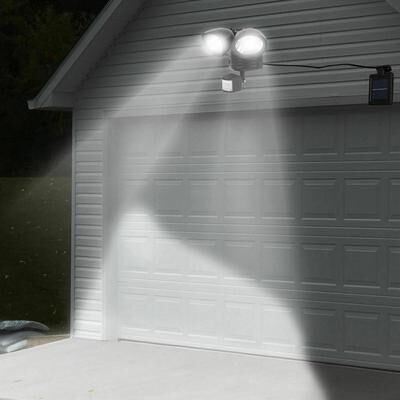
All Categories Goods LED Solar Security Light Dual Motion Sensor Outdoor Floodlight With LED Technology For Energy Efficient Illumination LED Solar Security Light Dual Motion Sensor Outdoor Floodlight With LED Technology For Energy Efficient IlluminationBrighten your outdoor space with the 1 pcs of 22 LED Solar Security Light, designed for maximum visibility and security. Powered by ecofriendly solar energy, this motion sensor floodlight activates when movement is detected, offering both...63,97 $*Shipping: 0,00 $Secure redirect to the provider
-
Sesderma Reti Age 5 Liposomal Serum Anti-Aging Innovation 30mLA facial serum for wrinkles and signs of ageing. Reduces wrinkles and fine lines. Hydrates and strengthens barrier. Restores youthful radiance. 5-Retinoid System: smooths wrinkles, accelerates renewal, and boosts collagen. Biomimetic Peptides: fill expression lines by stimulating collagen synthesis.41,69 £*Shipping: 5,34 £Secure redirect to the provider
-
All Categories Goods Waterproof LED Solar Motion Sensor Light For Garden Wall With PIR Technology Waterproof LED Solar Motion Sensor Light For Garden Wall With PIR TechnologyIlluminate your outdoors with the 1 pc of Waterproof Solar Power Lights featuring 468 highintensity LEDs. Ideal for gardens, patios, or any outdoor space, this energyefficient light uses solar power, ensuring a green and sustainable lighting...56,97 $*Shipping: 0,00 $Secure redirect to the provider
-
How does a photodiode work?
A photodiode is a semiconductor device that converts light into an electrical current. When light strikes the photodiode, it generates electron-hole pairs in the semiconductor material. These pairs create a flow of current, which can be measured as a voltage output. The amount of current produced is directly proportional to the intensity of the light hitting the photodiode. This makes photodiodes useful for applications such as light detection, solar cells, and optical communications. **
-
How is a photodiode connected?
A photodiode is typically connected in reverse bias configuration, meaning the anode is connected to the negative terminal of the power supply and the cathode is connected to the positive terminal. This allows the photodiode to operate in the photoconductive mode, where it generates a current in response to light exposure. Additionally, a resistor is often connected in series with the photodiode to limit the current and prevent damage to the diode. Finally, the output of the photodiode can be connected to a load or measurement circuit to utilize the generated current. **
-
What components does a photodiode need in electrical engineering?
In electrical engineering, a photodiode requires several components to function effectively. These include a semiconductor material, such as silicon, which is sensitive to light and capable of generating an electric current when exposed to photons. Additionally, a photodiode needs a p-n junction to create a depletion region, which allows for the separation of electron-hole pairs when light is absorbed. Furthermore, a photodiode typically requires a reverse bias voltage to create the necessary electric field for efficient operation. Finally, a photodiode may also need a protective housing to shield it from external factors such as temperature, humidity, and mechanical stress. **
-
What is the difference between a diode and a photodiode?
A diode is a two-terminal electronic component that allows current to flow in one direction only. It is commonly used in electronic circuits to control the direction of current flow. On the other hand, a photodiode is a type of diode that is designed to convert light into electrical current. Photodiodes are used in various applications such as light sensors, solar cells, and optical communications. The key difference between a diode and a photodiode is that a photodiode is specifically designed to detect and convert light into electrical current, whereas a diode is a more general electronic component used for controlling current flow. **
Similar search terms for Photodiode
-
HARPERCOLLINS Creative Confidence by Tom & David Kelley – Unleashing Your Creative Potential & Innovation MindsetA powerful and inspiring book from the founders of IDEO, the award-winning design firm, on unleashing the creativity that lies within each and every one of us. Too often, companies and individuals assume that creativity and innovation are the domain of the ‘creative types’. But two of the foremost experts in innovation, design and creativity on the planet show us that each and every one of us is creative. In an entertaining and inspiring narrative that draws on countless stories from their work at IDEO, and with many of the world's top companies and design firms, David and Tom Kelley identify the principles and strategies that will allow us to tap into our creative potential in our work lives, and in our personal lives, allow us to think outside the box in terms of how we approach and solve problems. ‘Creative Confidence’ is a book that will help each of us be more productive and successful in our lives and in our careers.4,95 £*Shipping: 1,99 £Secure redirect to the provider
-
What is the difference between a photoelement and a photodiode?
A photoelement is a general term used to describe any device that converts light into an electrical signal, including photodiodes. A photodiode is a specific type of photoelement that operates in reverse bias, meaning it only allows current to flow when light is present. Photodiodes are commonly used in applications such as light detection, solar cells, and optical communication systems. In contrast, a photoelement can refer to a broader range of light-sensitive devices, including phototransistors, photoresistors, and photovoltaic cells. **
-
What are the different characteristics between a photodiode and a photoresistor?
Photodiodes are semiconductor devices that generate a current when exposed to light, offering a fast response time and high sensitivity to light intensity changes. They are more expensive and complex to use compared to photoresistors. Photoresistors, on the other hand, are passive components that change resistance based on the amount of light they are exposed to, providing a simple and cost-effective solution for light detection. They have a slower response time and are less sensitive to light compared to photodiodes. **
-
How can the light sensor (photodiode) be read out analog-digital?
The light sensor (photodiode) can be read out analog-digital by using an analog-to-digital converter (ADC). The photodiode generates a current or voltage signal in response to the incident light, which is then converted into a digital value by the ADC. The ADC samples the analog signal at regular intervals and quantizes it into discrete digital values, which can then be processed and analyzed by a microcontroller or computer. This digital output can be used to measure the intensity of the light and make decisions or trigger actions based on the light level. **
-
What is solar energy and how is it used in solar technology?
Solar energy is the radiant light and heat from the sun that is harnessed using a range of technologies, such as solar panels, to generate electricity or heat water. Solar technology uses photovoltaic cells to convert sunlight into electricity, which can be used to power homes, businesses, and even entire cities. Additionally, solar thermal technology uses the sun's heat to generate steam, which can then be used to drive turbines and produce electricity. Overall, solar energy is a clean and renewable source of power that is increasingly being used to reduce reliance on fossil fuels and combat climate change. **
* All prices are inclusive of VAT and, if applicable, plus shipping costs. The offer information is based on the details provided by the respective shop and is updated through automated processes. Real-time updates do not occur, so deviations can occur in individual cases. ** Note: Parts of this content were created by AI.